
What's Happening?
Metropolitan Shuttle, a company specializing in group transportation logistics, has highlighted the importance of strategic transportation planning for events in urban environments like Chicago. The company stresses
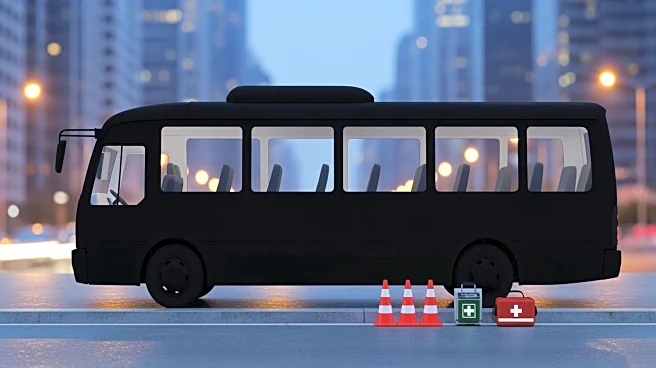
that transportation is often overlooked in event planning, leading to potential disruptions such as late arrivals and missed sessions. In cities like Chicago, where congestion and weather variability are common, transportation errors can significantly impact the success of an event. Glenn Orloff, CEO of Metropolitan Shuttle, emphasizes that successful event transportation requires treating it as a system rather than an afterthought. The company advises on the importance of selecting appropriate vehicles, evaluating vendors based on reliability, and ensuring clear contractual agreements to avoid unexpected costs and disruptions.
Why It's Important?
The emphasis on transportation risk management is crucial for event organizers in urban areas, where logistical challenges are amplified. Proper transportation planning can prevent disruptions that might otherwise damage an organization's credibility and attendee experience. By treating transportation as a strategic component, organizations can enhance reliability and outcomes, ultimately leading to more successful events. This approach not only benefits event organizers but also impacts attendees, speakers, and staff by ensuring smooth operations. The insights provided by Metropolitan Shuttle highlight the broader significance of logistics in event planning, which can influence the reputation and success of businesses and organizations involved.
What's Next?
Organizations planning events in Chicago and similar urban environments may need to reassess their transportation strategies to incorporate the insights provided by Metropolitan Shuttle. This could involve more rigorous vendor evaluations, detailed contractual agreements, and strategic vehicle selection to mitigate risks. As awareness of the importance of transportation logistics grows, more companies might adopt these practices, potentially leading to industry-wide improvements in event planning. Stakeholders such as event planners, transportation providers, and city officials may collaborate to develop more efficient systems and infrastructure to support large-scale events.
Beyond the Headlines
The focus on transportation logistics also raises questions about the environmental impact of large-scale events and the role of sustainable practices in transportation planning. As cities like Chicago continue to grow, the demand for efficient and eco-friendly transportation solutions may increase. This could lead to innovations in vehicle technology and urban planning, as well as a shift towards more sustainable event practices. Additionally, the emphasis on risk management highlights the need for comprehensive training and development for event planners and transportation providers to ensure they are equipped to handle the complexities of urban logistics.