





What's Happening?
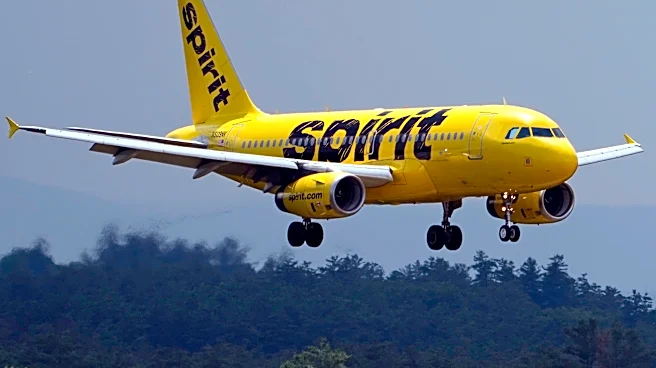
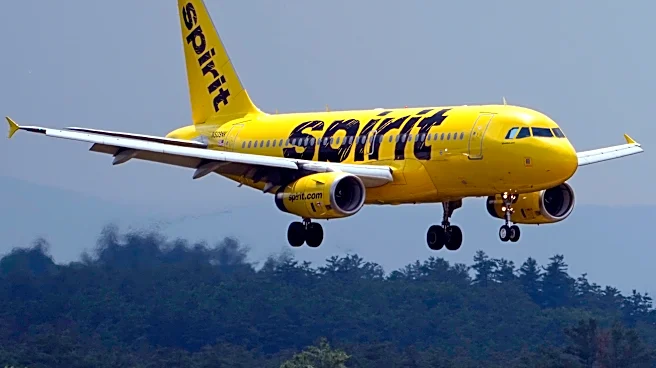
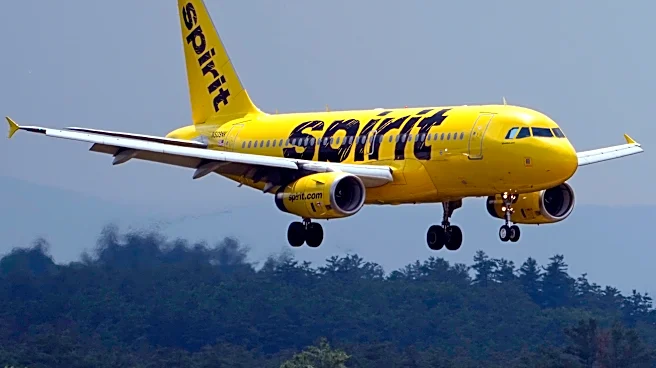
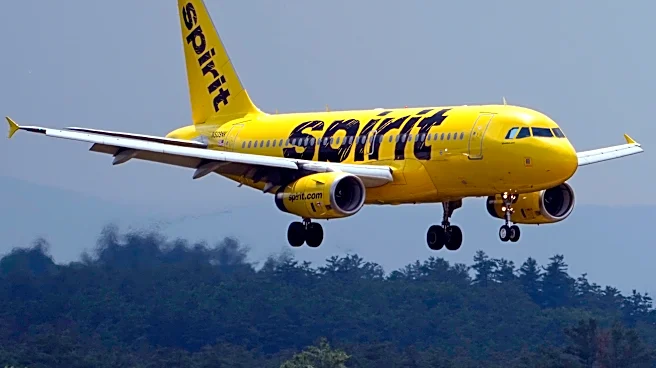
Spirit Airlines, a major discount carrier, has ceased operations due to bankruptcy exacerbated by a significant increase in jet fuel prices linked to the ongoing Iran war. The airline, which accounted for 5% of U.S. flights, failed to secure creditor
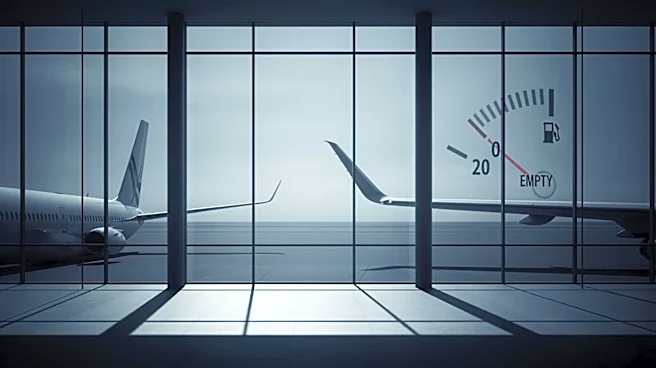
support for a proposed $500 million bailout plan by President Trump. This shutdown marks the first major airline casualty of the Iran conflict, resulting in the cancellation of all flights and affecting thousands of jobs. Spirit's financial struggles were compounded by the doubling of jet fuel prices, which surged to $4.51 a gallon, far exceeding the company's projections. The airline's closure is a significant blow to President Trump, who faced opposition from Congress and his advisers regarding the bailout proposal.
Why It's Important?
The shutdown of Spirit Airlines highlights the broader economic impact of the Iran war on the airline industry, particularly for carriers already struggling with profitability. The increase in fuel prices poses a severe threat to weaker airlines, potentially leading to further bankruptcies. Spirit's closure will likely benefit competitors like JetBlue and Frontier Airlines, which are already planning to expand services to fill the gap left by Spirit. The situation underscores the vulnerability of ultra-low-cost carriers in adapting to market changes post-pandemic, as consumer preferences shift towards more comfortable travel options. The failure of the bailout plan also reflects the challenges of government intervention in corporate America, especially in politically contentious situations.
What's Next?
In the wake of Spirit's shutdown, major U.S. airlines are stepping in to accommodate affected passengers by offering rescue fares and expanding routes. JetBlue, for instance, plans to increase its service from Fort Lauderdale, a key market for Spirit. The Trump administration's proposal to acquire Spirit at a 'right price' remains uncertain, as internal disagreements and market conditions complicate potential government intervention. The ongoing fuel-price shock may continue to pressure other vulnerable airlines, prompting further industry consolidation or government action. The situation also raises questions about the long-term sustainability of ultra-low-cost carriers in a volatile economic environment.
Beyond the Headlines
Spirit Airlines' collapse serves as a cautionary tale about the risks of geopolitical conflicts on global industries. The Iran war's impact on fuel prices illustrates the interconnectedness of international events and domestic economic stability. The airline's failure also highlights the ethical and strategic dilemmas faced by governments when considering bailouts for private companies. The potential acquisition of Spirit by the government could set a precedent for future interventions in critical industries, raising debates about the role of public funds in rescuing private enterprises. Additionally, the situation may prompt a reevaluation of business models in the airline industry, as companies seek to balance cost-efficiency with resilience against external shocks.