


What's Happening?
The beauty industry is witnessing a significant shift towards 'longevity beauty,' focusing on mechanism-first substantiation rather than claim-first storytelling. This approach emphasizes a credible link between biological functions and product outcomes,
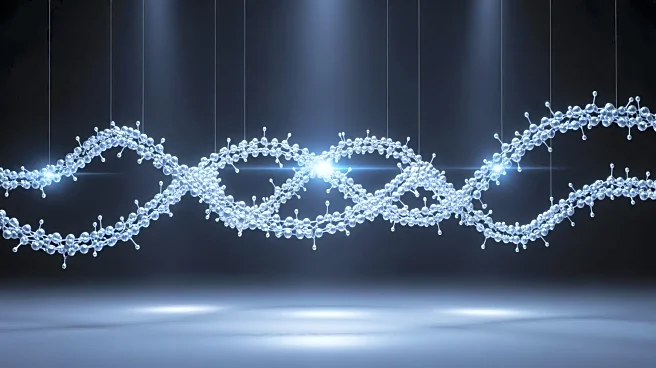
particularly in skin care. The updated 'hallmarks of ageing' framework identifies 12 drivers of ageing, such as genomic instability and mitochondrial dysfunction, which are crucial for understanding skin ageing. AI-engineered peptides are emerging as a promising solution for reprogramming youth by targeting these biological processes. Peptides, due to their native signaling capabilities, offer a practical middle ground for topical products, providing mechanistic control over skin's recovery and resilience. This innovation is expected to transform longevity beauty from an occasional trend to a continuous improvement process.
Why It's Important?
The development of AI-engineered peptides represents a paradigm shift in the beauty industry, potentially leading to more effective and scientifically-backed skincare products. By focusing on the biological mechanisms of ageing, these innovations could offer more sustainable and long-term solutions for skin health, moving beyond temporary cosmetic fixes. This approach not only enhances consumer trust but also aligns with the growing demand for transparency and efficacy in beauty products. The ability to continuously improve skin longevity products through AI could set new industry standards, influencing product development and marketing strategies across the sector.
What's Next?
As the beauty industry embraces this mechanism-first approach, we can expect increased investment in research and development of AI-engineered peptides. Companies may focus on building robust evidence chains to support their product claims, potentially leading to regulatory changes in how beauty products are evaluated and marketed. The integration of AI in product development could also drive collaborations between tech companies and beauty brands, fostering innovation and expanding market opportunities. Consumer education on the benefits of mechanism-based skincare could further accelerate the adoption of these advanced products.