







What's Happening?
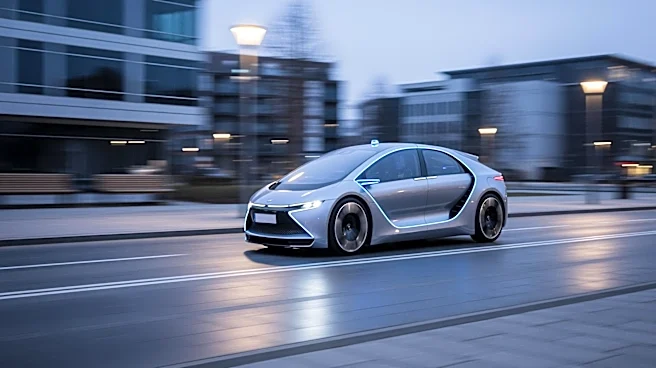
Uber, in collaboration with WeRide, is set to launch a self-driving service in Madrid, marking a significant step in expanding autonomous vehicle (AV) operations in Europe. The initiative, described as a pilot project, will operate as a public commercial
service where passengers can book rides via Uber's app. Initially, safety drivers will be present to intervene if necessary, but the goal is to expand fully autonomous operations over time. The vehicles, provided by WeRide, are equipped with advanced sensor technology and have been previously tested in the United Arab Emirates. Avomo, a Spanish fleet operator, will manage the vehicle fleet in Madrid. This collaboration is part of Uber's broader strategy to build a robust robo-taxi ecosystem, having partnered with over 30 companies globally.
Why It's Important?
The launch of a self-driving service in Madrid represents a pivotal moment for Uber and the autonomous vehicle industry. By entering the European market, Uber aims to capitalize on the growing demand for autonomous mobility solutions. This move could potentially unlock a multi-trillion dollar market opportunity, as stated by Uber CEO Dara Khosrowshahi. The initiative also highlights the importance of strategic partnerships in advancing AV technology and infrastructure. For Uber, this expansion not only strengthens its position in the global ride-hailing market but also accelerates the commercialization of autonomous driving technology. The success of this project could influence regulatory frameworks and public acceptance of AVs across Europe.
What's Next?
As the project progresses, Uber and WeRide will likely focus on meeting key performance targets to expand fully autonomous operations in urban areas. The presence of safety drivers is expected to be phased out as the technology proves reliable. Regulatory developments will play a crucial role in the project's expansion, with Madrid serving as a testbed for broader European deployment. Stakeholders, including local governments and transportation authorities, will closely monitor the project's impact on traffic, safety, and public transportation systems. The collaboration may also prompt other cities to explore similar initiatives, potentially leading to a wider adoption of autonomous vehicles across Europe.