






What's Happening?
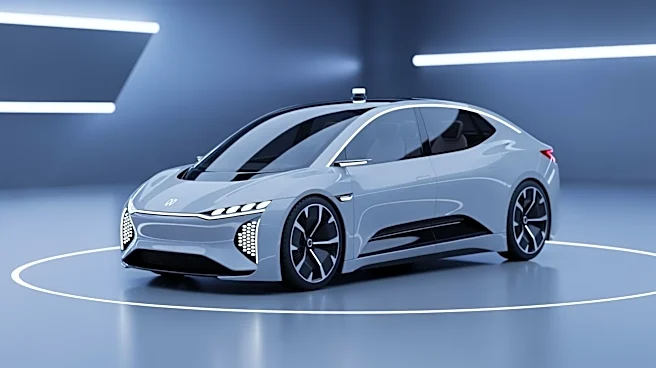
Waymo has announced the rollout of its new robotaxi model, the Ojai, produced by Zeekr, for passenger trips. The Ojai is designed to be more rider-friendly compared to previous models like the Jaguar I-PACE. It features a spacious interior with elevator-like
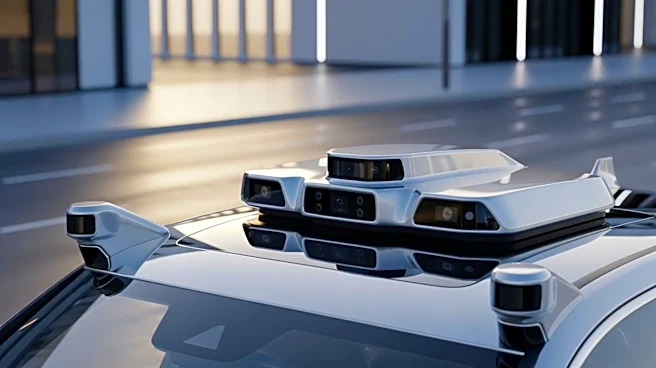
doors, a flat floor, and three large LED screens for a customizable ride experience. The vehicle integrates accessibility features such as embedded braille and screen-reader compatibility. The Ojai will also debut Waymo's 6th-generation Waymo Driver technology, which enhances the vehicle's ability to operate in various weather conditions.
Why It's Important?
The introduction of the Ojai represents a significant advancement in autonomous vehicle technology and its integration into public transportation. By focusing on accessibility and user experience, Waymo is setting a new standard for robotaxi services, potentially increasing public acceptance and usage of autonomous vehicles. The deployment of the 6th-generation Waymo Driver technology could expand the operational capabilities of these vehicles, allowing them to serve more regions and conditions. This development is crucial for the future of urban mobility, offering a glimpse into how transportation might evolve with increased automation.
What's Next?
Waymo plans to scale up production of the Ojai, aiming for tens of thousands of units per year at their factory in Mesa, Arizona. This production ramp-up indicates a significant expansion of Waymo's autonomous vehicle fleet, which could lead to broader availability and adoption of robotaxi services. As the Ojai begins public operations, feedback from riders will likely influence future iterations and enhancements of the vehicle. The success of this rollout could also impact regulatory discussions and public policy regarding autonomous vehicles.