


What's Happening?
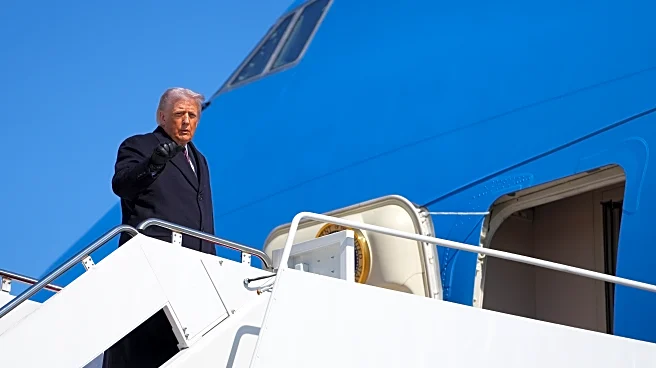
Abercrombie & Fitch has announced a cautious sales forecast for the fiscal year 2026, factoring in a 15 percent tariff on all goods imported into the United States. This decision follows President Trump's announcement to increase the temporary tariff from
10 percent to 15 percent, the maximum level permitted by law, after the Supreme Court invalidated broader tariffs previously imposed under the International Emergency Economic Powers Act (IEEPA). The retailer anticipates a net sales growth of 3 to 5 percent, slightly below analysts' expectations of a 4.2 percent rise. The company has also projected an annual net income per share between $10.20 and $11, which is above the analysts' forecast of $10.36. Abercrombie's forecast includes a tariff impact of about 70 basis points on net sales for the year, excluding any potential refunds or recoveries from the invalidated duties.
Why It's Important?
The tariff uncertainty poses significant challenges for U.S. retailers like Abercrombie & Fitch, which rely heavily on imported goods. The increased tariffs could lead to higher costs for these companies, potentially affecting their profitability and pricing strategies. This situation highlights the broader impact of trade policies on the retail sector, which must navigate fluctuating tariff rates and their implications on supply chains. Retailers are adopting varied strategies to manage this uncertainty, with some excluding tariff impacts from their forecasts due to the volatile environment. The outcome of these tariffs could influence consumer prices and the competitive landscape in the retail industry, affecting both businesses and consumers.
What's Next?
As the new tariff rate is expected to take effect soon, retailers will need to adjust their strategies to accommodate the increased costs. Companies may explore options to mitigate the impact, such as seeking alternative sourcing locations or negotiating better terms with suppliers. The White House is also exploring other legal avenues to impose tariffs, which could further affect U.S. import tax policies. Retailers and industry stakeholders will closely monitor these developments to adapt their business models accordingly. The ongoing trade landscape will likely remain a critical factor in shaping the future of the retail industry.