





What's Happening?
The rapid expansion of AI infrastructure and hyperscale data centers in the United States is significantly increasing demand for electricity and water. Recent estimates indicate that North American data centers consumed nearly 1 trillion liters of water in 2025,
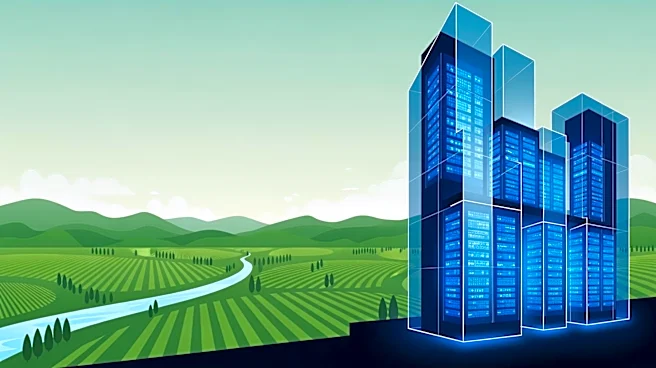
with U.S. data center electricity demand expected to reach record levels by 2027. This surge is largely driven by AI workloads and cloud computing expansion. The situation is exacerbated by the fact that many of these facilities are being constructed in water-stressed regions, such as Texas and Arizona, where they compete with oil and gas operations for limited resources. The cooling systems for these data centers are particularly water-intensive, consuming hundreds of thousands of gallons daily. As a result, communities are increasingly opposing large-scale AI data center developments due to concerns over resource strain, leading to project delays and cancellations.
Why It's Important?
The growing demand for water and electricity by AI data centers highlights a critical infrastructure challenge in the U.S. The competition for resources between digital infrastructure and traditional industries like oil and gas could lead to increased tensions and regulatory scrutiny. This situation underscores the need for sustainable resource management and innovative solutions to balance industrial growth with environmental constraints. The potential reuse of treated oilfield produced water for data center cooling is one such solution being explored. The outcome of these developments will have significant implications for energy policy, industrial investment, and regional economic growth, particularly in areas already facing resource scarcity.
What's Next?
As the demand for AI infrastructure continues to grow, stakeholders, including policymakers and industry leaders, will need to address the challenges of resource allocation and infrastructure development. This may involve revising water regulation frameworks, investing in water recycling technologies, and exploring alternative water sources. Additionally, the alignment of natural gas infrastructure with data center energy needs could become a focal point for future energy strategies. The ongoing dialogue between digital and traditional energy sectors will likely shape the future landscape of U.S. industrial and economic development.
Beyond the Headlines
The intersection of AI infrastructure and traditional energy sectors is reshaping the U.S. energy economy. The reliance on physical resources like water and electricity for digital growth highlights the interconnectedness of modern industrial systems. This convergence may lead to new partnerships and innovations in resource management, potentially transforming how industries operate and collaborate. The broader implications of these developments could influence global energy markets and drive shifts in investment strategies, emphasizing the importance of sustainable practices in the face of growing environmental and economic pressures.