






What's Happening?
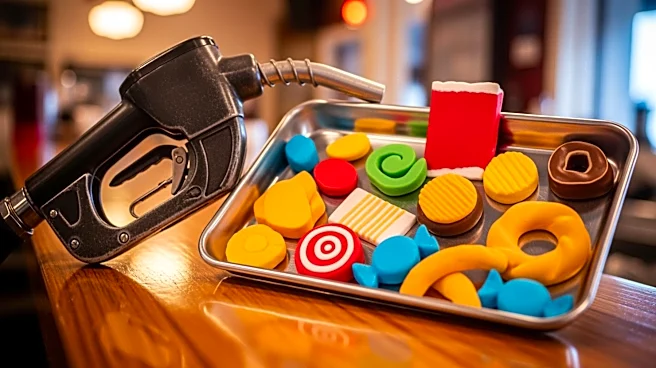
The convenience-store industry is undergoing significant changes, particularly in its approach to fresh food offerings. According to the 2026 Paytronix Loyalty Report, 85% of U.S. shoppers have tried made-to-order food at convenience stores, indicating
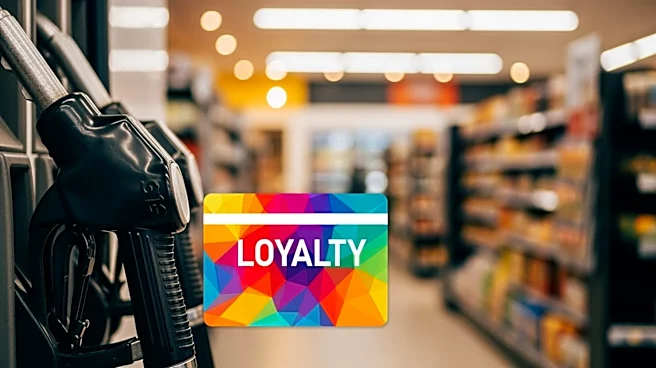
a shift in consumer behavior where these stores are increasingly seen as alternatives to quick-service restaurants. This transformation presents both opportunities and challenges for the industry. While there is potential for higher profit margins on food compared to fuel, the rise of electric vehicles poses a threat to stores heavily reliant on fuel sales. To address this, convenience stores are utilizing loyalty programs as a strategic tool to convert fuel customers into food buyers. These programs offer rewards for fuel purchases that can be redeemed for food items, thereby encouraging customers to make in-store food purchases.
Why It's Important?
The shift in consumer behavior towards purchasing food at convenience stores rather than just fuel has significant implications for the industry. As electric vehicle adoption increases, stores that depend on fuel sales face potential revenue declines. By successfully converting fuel customers into food buyers, convenience stores can mitigate this risk and capitalize on higher-margin food sales. Loyalty programs play a crucial role in this strategy by offering personalized rewards that incentivize customers to explore food options. This not only helps in retaining customers but also in increasing the average transaction size. The success of these programs could redefine the business model of convenience stores, making them more competitive with quick-service restaurants and potentially reshaping the retail landscape.
What's Next?
As the industry continues to evolve, convenience stores are likely to further refine their loyalty programs to enhance customer engagement and retention. The focus will be on creating personalized and rewarding experiences during the critical 90-day period following enrollment in a loyalty program. Stores that succeed in making this period engaging and valuable for customers are expected to see a significant increase in loyalty and repeat business. Additionally, as the transition to electric vehicles accelerates, convenience stores may need to explore new revenue streams and partnerships to sustain their business model. This could include expanding their food offerings, enhancing in-store experiences, and leveraging technology to better understand and meet customer needs.