






What's Happening?
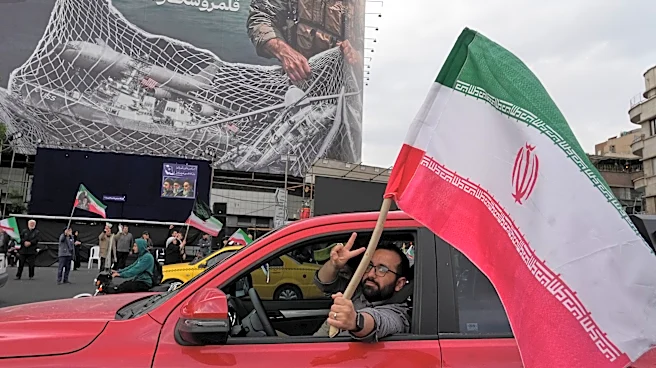
LVMH Moët Hennessy Louis Vuitton reported a 5.9% decline in first-quarter revenues, attributed to the ongoing conflict in the Middle East. The region, which accounts for approximately 6% of LVMH's business, has seen a significant drop in sales due to geopolitical
tensions. Despite this, LVMH recorded organic growth in other regions, including a 7% increase in Asia (excluding Japan) and a 3% rise in the U.S. The company's fashion and leather goods division saw a 2% dip in organic revenues, while other divisions like watches and jewelry experienced growth.
Why It's Important?
LVMH's performance is a bellwether for the luxury industry, and its revenue decline highlights the impact of geopolitical instability on global markets. The Middle East conflict has disrupted a key market for luxury goods, affecting not only LVMH but also other major players in the sector. The company's ability to maintain growth in Asia and the U.S. suggests resilience and adaptability, but the overall decline underscores the challenges faced by luxury brands in navigating complex geopolitical landscapes. The results also reflect broader economic uncertainties, including exchange rate fluctuations and changing consumer preferences.
What's Next?
LVMH is expected to continue focusing on innovation and expanding its presence in growth markets like Asia and the U.S. The company may also explore strategies to mitigate the impact of geopolitical tensions, such as diversifying its market presence and enhancing its digital offerings. The luxury sector will be closely watching LVMH's performance as an indicator of broader industry trends. The company's upcoming product launches and strategic initiatives will be critical in determining its ability to recover and sustain growth amid ongoing challenges.