






What's Happening?
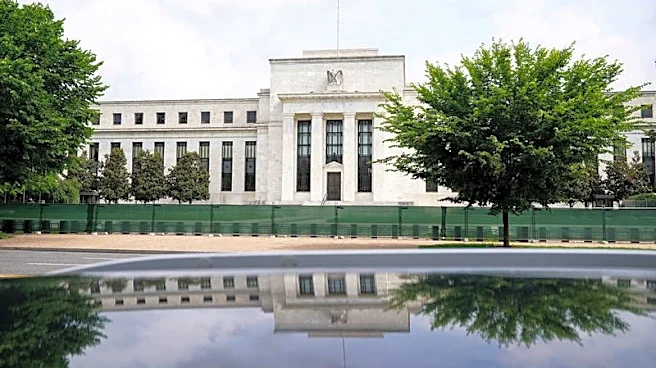
The Federal Reserve Bank of San Francisco's Twelfth District Beige Book reports that economic activity in the region was stable but subdued during the mid-February to March period. Employment levels remained generally stable, with most employers maintaining
head counts and hiring only to replace departing workers. Wage growth continued at a slight pace, while prices rose moderately, driven by increased energy costs. Retail sales experienced slight growth, and demand for consumer and business services remained stable. However, sectors such as agriculture and residential real estate showed signs of softening. The ongoing conflict in the Middle East has contributed to heightened uncertainty, impacting energy markets and global supply chains.
Why It's Important?
The stability in the Twelfth District's economic activity is crucial as it reflects broader trends that could influence national economic policy. The subdued growth and stable employment levels suggest resilience in the face of global uncertainties, such as geopolitical tensions affecting energy prices. This stability is vital for maintaining consumer confidence and supporting local economies. However, the softening in agriculture and real estate sectors indicates potential vulnerabilities that could affect economic growth and employment in the region. Policymakers and businesses must navigate these challenges to sustain economic stability.
What's Next?
The Twelfth District will continue to monitor economic conditions, particularly the impact of global uncertainties on local industries. Businesses may need to adapt to changing market conditions, such as fluctuating energy prices and supply chain disruptions. Policymakers may consider measures to support sectors facing challenges, such as agriculture and real estate, to prevent broader economic impacts. The Federal Reserve's future policy decisions will be influenced by these regional dynamics, as they contribute to the overall economic outlook.