





What's Happening?
Mark Zandi, a top economist at Moody's, has issued a warning regarding the potential for a recession in the United States if a peace deal with Iran is not reached soon. According to Zandi, President Trump has approximately a week to secure a deal to prevent
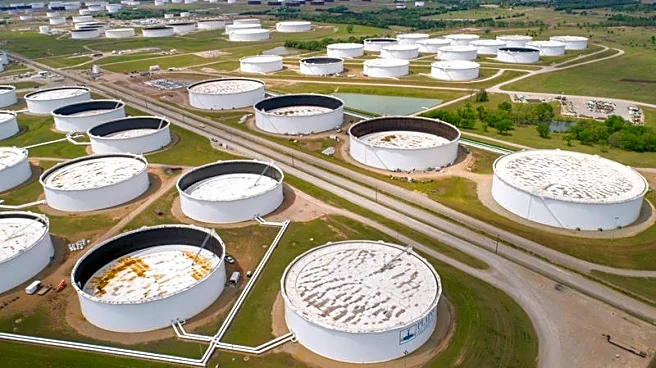
further economic damage. The ongoing negotiations have been stalled, with Iran threatening to block the Strait of Hormuz unless its demands are met. This situation has led to a significant increase in oil prices, with Brent and US crude prices rising by about 7%. Zandi emphasized that if oil prices do not decrease within the next week, the impact on consumers and the economy could be severe, potentially pushing the US into a recession. The Strategic Petroleum Reserve has fallen to its lowest level in two years, exacerbating the situation.
Why It's Important?
The potential recession highlighted by Zandi could have widespread implications for the US economy. Rising oil prices could lead to increased costs for consumers and businesses, reducing spending and investment. This scenario could trigger a broader economic downturn, affecting employment and growth. The closure of the Strait of Hormuz would further disrupt global oil supply, leading to higher prices and increased economic uncertainty. The situation underscores the importance of diplomatic efforts to stabilize oil markets and prevent economic instability. Failure to reach a deal could result in significant economic challenges for the US, impacting various sectors and stakeholders.
What's Next?
If a deal with Iran is not reached soon, the US may face escalating economic challenges. Stakeholders, including political leaders and businesses, will need to prepare for potential disruptions in oil supply and increased costs. The government may consider alternative strategies to mitigate the impact, such as tapping into other oil reserves or negotiating with other oil-producing nations. The situation may also prompt discussions on energy independence and the need for sustainable energy solutions to reduce reliance on volatile oil markets.
Beyond the Headlines
The current situation highlights the geopolitical complexities of oil markets and the interconnectedness of global economies. The potential recession underscores the vulnerability of economies to external shocks and the importance of strategic reserves. It also raises questions about the long-term sustainability of relying on fossil fuels and the need for investment in renewable energy sources. The situation may prompt a reevaluation of energy policies and international relations, emphasizing the need for cooperation and stability in global markets.