


What's Happening?
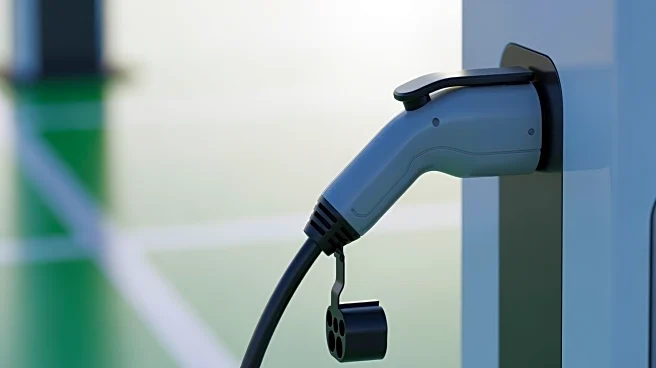
ChargePoint, a leading provider of electric vehicle (EV) charging solutions, has announced that it facilitated over 100 million EV charging sessions in the past year. This milestone reflects a significant increase in EV adoption and usage across the United States. The company highlighted that nearly 60% of the 19.3 billion electric miles it has enabled over its 18-year history occurred in the last two years. This surge in charging sessions aligns with a broader trend of rising EV sales and infrastructure development. In 2025, U.S. fast-charging networks recorded an estimated 141 million charging sessions, marking a 30% increase from the previous year. ChargePoint's CEO, Rick Wilmer, noted that the demand for chargers is now driven more by the total
number of EVs on the road rather than new EV sales alone.
Why It's Important?
The increase in EV charging sessions underscores the rapid growth of the electric vehicle market in the U.S. This trend is significant for several reasons. Firstly, it indicates a shift towards cleaner transportation options, which can help reduce greenhouse gas emissions and reliance on fossil fuels. ChargePoint estimates that its operations have helped avoid the use of 714 million gallons of gasoline, saving drivers over $2 billion in fuel costs and preventing more than 4.5 million metric tons of greenhouse gas emissions. Additionally, the growing demand for EV charging infrastructure presents opportunities for businesses and investors in the clean energy sector. As more consumers transition to electric vehicles, the need for accessible and efficient charging solutions will continue to rise, potentially accelerating the shift towards sustainable transportation.
What's Next?
As the EV market continues to expand, ChargePoint and other charging infrastructure providers are likely to see increased demand for their services. This could lead to further investments in charging networks and technology advancements to improve charging speed and efficiency. Policymakers may also play a role in supporting this transition by implementing incentives for EV adoption and infrastructure development. The ongoing shift towards electric vehicles may prompt traditional automotive and energy companies to adapt their strategies to remain competitive in a changing market landscape.
Beyond the Headlines
The rise in EV charging sessions also highlights broader environmental and public health benefits. Electric vehicles produce no direct emissions, reducing air pollution and its associated health risks, such as respiratory diseases and cancer. This transition could lead to improved air quality in urban areas and contribute to global efforts to combat climate change. However, the shift to electric vehicles also poses challenges, such as the need for sustainable battery production and recycling solutions. Addressing these issues will be crucial to ensuring the long-term viability and environmental benefits of electric transportation.