





What's Happening?
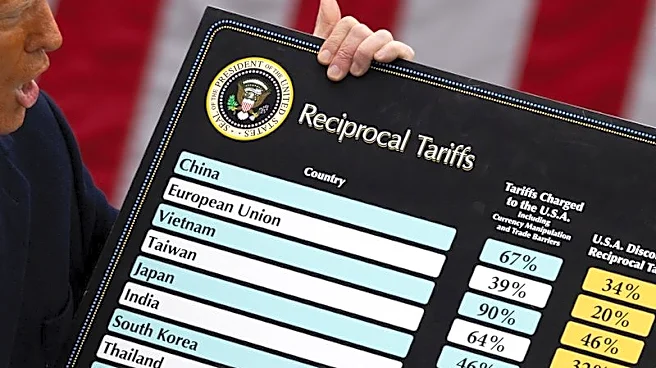
A new portal has been launched for U.S. businesses to apply for refunds on tariffs deemed unconstitutional by the Supreme Court. Hundreds of businesses in Ohio are among those seeking to recover part of the $166 billion collected unlawfully. EarthQuaker
Devices, an Akron-based company, is one of the businesses affected, with CEO Julie Robbins highlighting the significant financial impact tariffs have had on their operations. Robbins noted that tariffs have increased their raw material costs by 30%, and while she expects to recover only a portion of the tariffs paid, the refunds are crucial for maintaining business operations. The Main Street Alliance, a group representing small businesses, emphasizes the importance of these refunds, as many small businesses operate with limited financial reserves. Initial technical issues with the portal have been resolved, allowing businesses to proceed with their applications.
Why It's Important?
The ability to recover tariff payments is critical for many small businesses, which often operate with minimal financial buffers. The refunds could mean the difference between staying afloat and facing financial difficulties, such as meeting payroll obligations. The situation underscores the broader economic challenges faced by small businesses in the U.S., particularly those reliant on imported goods. The resolution of this issue could provide much-needed financial relief and stability, allowing businesses to reinvest in their operations and workforce. Additionally, the legal and administrative processes surrounding tariff refunds highlight the complexities of international trade policies and their domestic impacts.
What's Next?
As businesses navigate the refund application process, the outcome will likely influence future discussions on trade policies and their implementation. The success of the portal in processing applications efficiently will be crucial in determining the speed and effectiveness of the refund distribution. Businesses and trade groups may continue to advocate for more transparent and fair trade practices to prevent similar issues in the future. The ongoing lawsuits by businesses seeking refunds could also set precedents for how such cases are handled legally, potentially influencing future trade policy decisions.