
What's Happening?
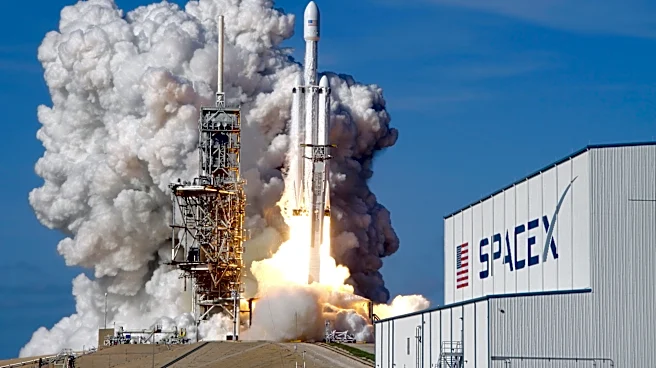
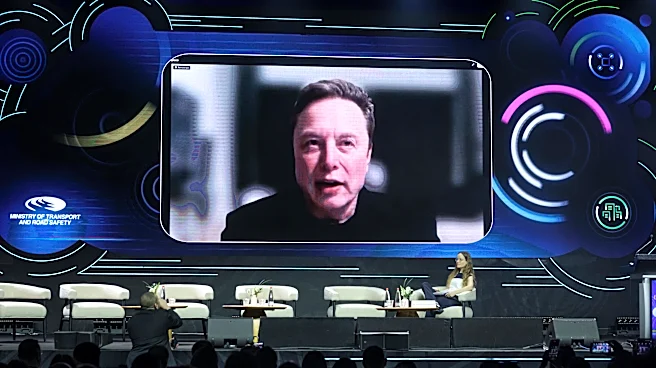
Elon Musk is on the verge of becoming the world's first trillionaire, driven by the anticipated initial public offering (IPO) of SpaceX. Musk's current wealth, primarily from his roles in Tesla and SpaceX,
is estimated at $273 billion. The upcoming IPO of SpaceX is expected to add approximately $841 billion to his net worth, bringing his total to $1.11 trillion. This figure surpasses the economies of most countries, with only 20 nations having a GDP larger than Musk's projected net worth. The article highlights the scale of Musk's wealth by comparing it to various economic benchmarks, such as the entire property value in Houston and the combined worth of the 50 most valuable sports teams globally.
Why It's Important?
Musk's potential status as a trillionaire underscores the vast wealth concentration in the hands of a few individuals, particularly in the tech industry. This development could have significant implications for economic inequality and the influence of billionaires on global markets and politics. Musk's wealth, largely tied to stock valuations, reflects the growing importance of technology companies in the global economy. The IPO of SpaceX, a leader in space exploration and technology, could further accelerate advancements in these fields, impacting industries ranging from telecommunications to defense. Additionally, Musk's financial power could influence policy decisions and innovation directions, given his investments in renewable energy and artificial intelligence.
What's Next?
The SpaceX IPO is expected to proceed next week, potentially solidifying Musk's status as a trillionaire. This event may prompt reactions from financial markets, policymakers, and the public, particularly concerning discussions on wealth taxation and regulation of tech giants. Investors will closely watch the performance of SpaceX shares post-IPO, as it could set a precedent for future tech company valuations. Additionally, Musk's increased wealth might lead to further investments in ambitious projects, such as Mars colonization and AI development, shaping the future of these industries.