
What's Happening?
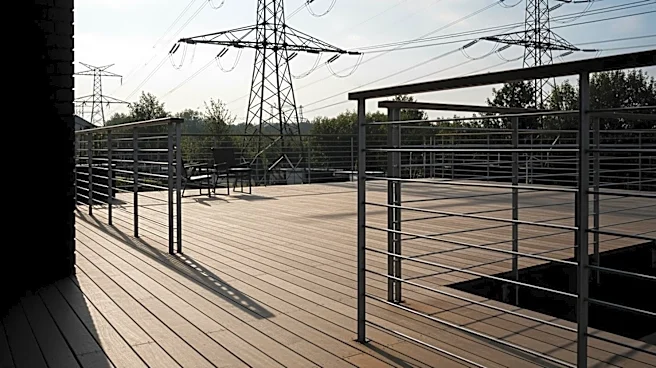
56 Brewing, a popular brewery, is embroiled in a dispute with Xcel Energy over the future of its outdoor seating area. Xcel Energy has requested the demolition of 56 Brewing's busy patio, which has become
a favored spot for patrons. The brewery is contesting this request, arguing that the patio is an essential part of their business, providing a space for community gatherings and enhancing customer experience. The conflict has sparked a debate within the local community, with supporters of the brewery advocating for the preservation of the patio. The situation highlights the tension between business operations and utility company regulations, as Xcel Energy cites safety and compliance concerns as the basis for their request.
Why It's Important?
The outcome of this dispute could have significant implications for local businesses and their interactions with utility companies. If Xcel Energy's request is upheld, it may set a precedent for similar actions against other businesses, potentially affecting their operations and customer engagement strategies. For 56 Brewing, the patio is not just a physical space but a critical component of their business model, contributing to their revenue and community presence. The case underscores the challenges small businesses face in balancing regulatory compliance with maintaining customer-centric amenities. It also raises questions about the power dynamics between large utility companies and smaller enterprises, and how these relationships can impact local economies.
What's Next?
The next steps in this dispute will likely involve negotiations between 56 Brewing and Xcel Energy, possibly mediated by local government officials or business associations. The brewery may seek legal counsel to explore options for contesting the demolition request. Community support could play a crucial role in influencing the outcome, as public opinion may pressure Xcel Energy to reconsider their stance. Additionally, the case may prompt discussions about regulatory frameworks governing utility company interactions with local businesses, potentially leading to policy reviews or changes.