



What's Happening?
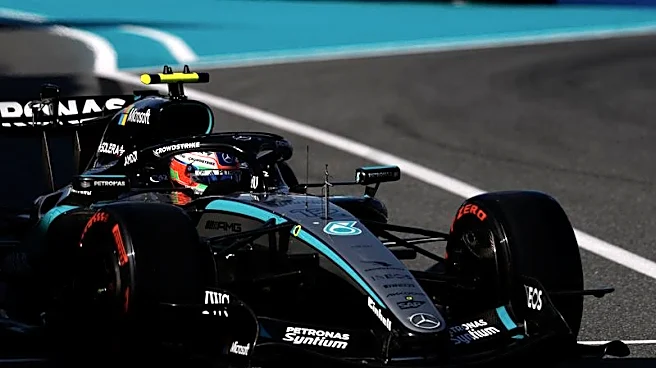
Isack Hadjar, a Formula 1 driver for Red Bull, expressed frustration after crashing out of the Miami Grand Prix. The incident occurred on lap six at the Miami International Autodrome when Hadjar clipped the wall at Turn 14, breaking his steering column
and causing him to crash into the opposite wall at Turn 15. Hadjar was visibly upset, believing he had the potential to score points in the race. He admitted to making a mistake and expressed disappointment in himself for the error, which he felt was avoidable given the car's performance.
Why It's Important?
Hadjar's crash and subsequent self-criticism highlight the intense pressure and high stakes in Formula 1 racing. The incident underscores the importance of precision and focus in the sport, where small errors can have significant consequences. Hadjar's reaction reflects the emotional toll that competitive racing can take on drivers, who are often their harshest critics. The event also emphasizes the need for resilience and mental fortitude in overcoming setbacks in high-performance sports.
What's Next?
Hadjar will likely focus on learning from the mistake and improving his performance in future races. The incident may prompt discussions within his team about strategies to support drivers in managing pressure and maintaining focus. The Miami Grand Prix results could influence team dynamics and decisions regarding driver line-ups and race strategies for the remainder of the season.
Beyond the Headlines
The crash raises broader questions about the mental health and well-being of athletes in high-pressure environments. It highlights the need for support systems to help drivers cope with the demands of the sport. The incident may also contribute to ongoing discussions about safety improvements and technological advancements in Formula 1 racing.