



What's Happening?
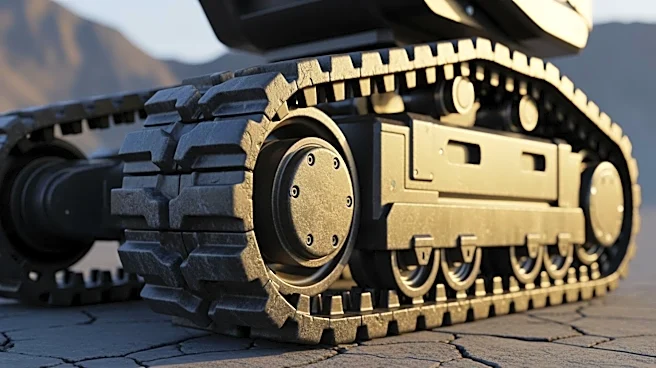
A recent focus in robotics engineering is the design of robot tracks and 7th axis systems for real-world environments, which are often exposed to harsh conditions such as debris, moisture, and extreme temperatures. These conditions can lead to accelerated
wear and unplanned downtime if not properly addressed in the design phase. An upcoming webinar titled 'Harsh and Dirty by Design: Engineering Robot Tracks and 7th Axis Systems for Real-World Environments' will address these challenges. The session will cover common environmental impacts on robot tracks, typical failure modes, and design strategies to improve reliability and uptime. Experts will discuss how to engineer systems that can withstand contamination and maintain performance in demanding applications.
Why It's Important?
The engineering of robot tracks and 7th axis systems for harsh environments is crucial for industries relying on automation in challenging conditions. Effective design can significantly reduce maintenance costs and downtime, enhancing productivity and operational efficiency. This is particularly important for sectors such as manufacturing, automotive, and logistics, where robots are integral to operations. By addressing the challenges of contamination and wear, companies can ensure the longevity and reliability of their robotic systems, leading to better return on investment and competitive advantage. The insights from the webinar could influence future design standards and practices in the robotics industry.
What's Next?
The webinar will provide practical insights for robotics engineers, system integrators, and maintenance professionals. Participants can expect to learn about innovative design approaches and preventive maintenance strategies that can be integrated into robotic systems from the outset. The session aims to equip industry professionals with the knowledge to tackle the challenges posed by harsh environments, ultimately leading to more robust and reliable automation solutions. As industries continue to adopt automation, the demand for resilient robotic systems will likely increase, driving further innovation and development in this field.