



What's Happening?
The Bureau of Labor Statistics reported that consumer prices rose by 2.4% annually in February, aligning with expectations and maintaining inflation above the Federal Reserve's 2% target. The consumer price index (CPI) increased by a seasonally adjusted
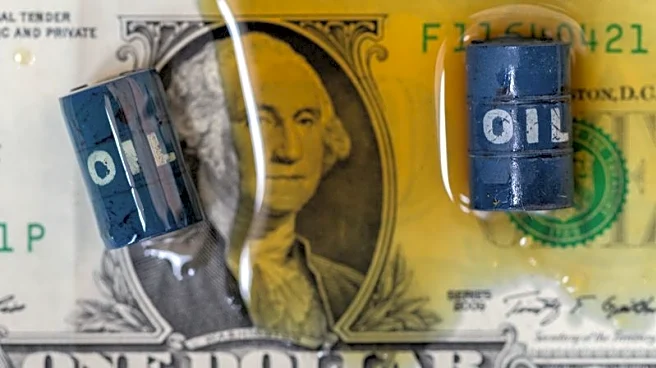
0.3% for the month. Core CPI, which excludes volatile food and energy prices, showed a 0.2% monthly increase and a 2.5% annual rate. Shelter costs, the largest component of CPI, rose by 0.2%, with rent seeing a minimal increase. Apparel prices experienced a 1.3% monthly gain, while new vehicle prices remained steady. Energy prices rose by 0.6% monthly, and food prices increased by 0.4%. The report precedes a recent surge in oil prices due to geopolitical tensions involving Iran, which could impact future inflation readings.
Why It's Important?
The stability in inflation rates is significant as it suggests that the Federal Reserve's monetary policy measures are maintaining inflation within a manageable range, despite being above the target. The report provides a crucial snapshot of inflation pressures before potential disruptions from rising oil prices due to geopolitical tensions. The increase in energy costs could lead to higher transportation and shipping expenses, affecting a wide range of consumer goods. This situation poses a challenge for the Federal Reserve, which may need to adjust its interest rate policies if inflation pressures escalate. The data also impacts market expectations, with traders anticipating potential interest rate cuts later in the year.
What's Next?
The Federal Reserve is likely to monitor the situation closely, especially the impact of rising oil prices on inflation. Any sustained increase in energy costs could prompt the central bank to reconsider its interest rate strategy. Traders currently expect a rate cut in September, with a possibility of another by the end of the year. The geopolitical situation involving Iran will be a key factor in determining future inflation trends and economic policies. Economists generally view the current oil price surge as temporary, but its effects on inflation will be closely watched in the coming months.