


What's Happening?
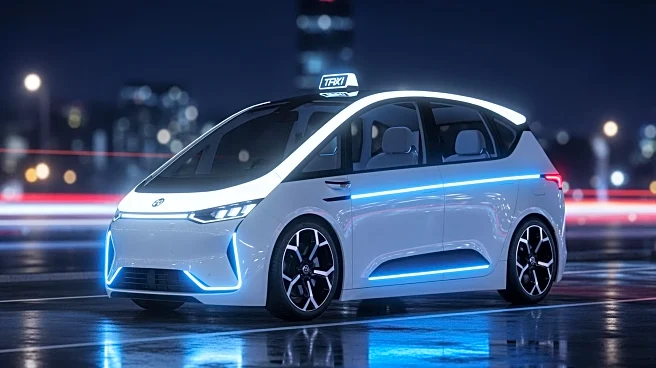
Uber has announced a significant partnership with UK-based self-driving start-up Wayve to deploy autonomous robotaxis on a global scale. Uber participated in Wayve's recent $1.5 billion Series D funding round, which aims to accelerate the commercial deployment
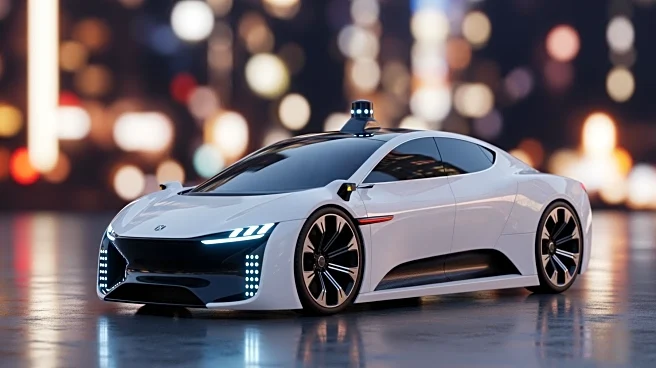
of Wayve's AI-driven autonomous vehicles. The collaboration will see Wayve's AI Driver technology integrated into Level 4-capable vehicles, which Uber will own and operate. The first deployment is scheduled for London in 2026, with plans to expand to over 10 markets worldwide. This partnership represents a strategic move for Uber to enhance its ride-hailing services with autonomous technology, leveraging Wayve's innovative AI platform that does not rely on high-definition maps or location-specific engineering.
Why It's Important?
The partnership between Uber and Wayve is a pivotal development in the autonomous vehicle industry, potentially transforming urban transportation. By integrating Wayve's AI technology, Uber aims to reduce operational costs and increase efficiency in its ride-hailing services. This move could set a precedent for other ride-hailing companies to adopt similar technologies, accelerating the shift towards autonomous transportation. The deployment of robotaxis could also impact employment in the ride-hailing sector, as the need for human drivers may decrease. Additionally, the collaboration highlights the growing importance of AI in the automotive industry, with major automakers like Mercedes-Benz and Nissan investing in Wayve's technology to advance their own autonomous driving capabilities.
What's Next?
The next steps involve the initial launch of Wayve-powered robotaxis in London by 2026, followed by a broader international rollout. Uber and Wayve will work closely with participating automakers to ensure the successful integration of the AI Driver technology into their vehicles. As the deployment progresses, regulatory approvals and public acceptance will be critical factors in determining the pace and extent of expansion. The partnership may also prompt other ride-hailing and automotive companies to explore similar collaborations, potentially leading to increased competition and innovation in the autonomous vehicle market.