



What's Happening?
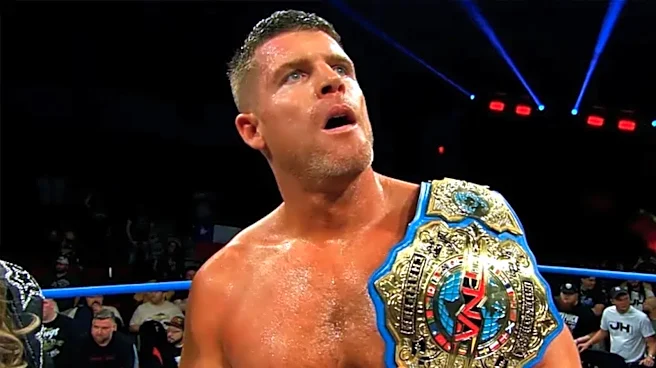
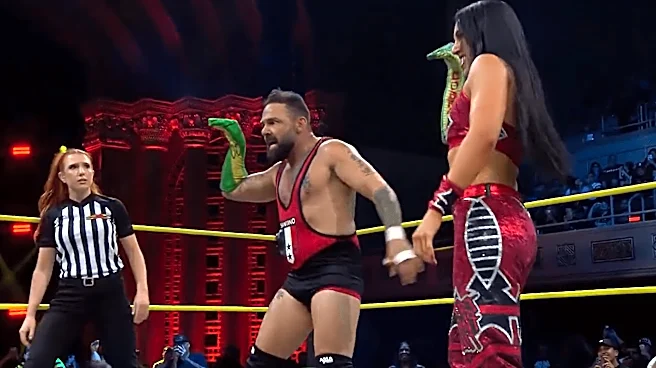
Steve Maclin, a professional wrestler, has departed from TNA Wrestling, along with Myla Grace, after reaching an agreement on their release. Despite Maclin's preference to keep his departure under wraps, TNA issued a press release confirming it. Maclin had
been vocal about his dissatisfaction with the company's creative direction, which he felt had not improved since TNA's move to AMC earlier this year. Additionally, the company's pay scale was a point of contention, as most TNA talent are no longer on full-time contracts. Maclin had previously re-signed with TNA after a storyline firing, which involved him grabbing one of the Feast or Fired briefcases. He continued to appear on television, turning heel and attacking Mike Santana, which led to his rehiring in storyline by Director of Authority Santino Marella. However, his title match ended abruptly due to an injury.
Why It's Important?
The departure of Steve Maclin from TNA Wrestling highlights ongoing issues within the company, particularly regarding creative direction and compensation. Maclin's public dissatisfaction underscores potential challenges TNA faces in retaining talent and maintaining morale. The move to AMC was expected to bring positive changes, but Maclin's comments suggest that these improvements have not materialized, which could impact TNA's reputation and ability to attract new talent. The situation also reflects broader industry trends where wrestlers seek more control over their careers and creative input, potentially influencing how wrestling promotions manage talent relations and contract negotiations.
What's Next?
Following their release, both Steve Maclin and Myla Grace are expected to attract interest from other wrestling promotions. This could lead to new opportunities for them outside of TNA, potentially allowing them to explore creative avenues that align more closely with their professional goals. For TNA, addressing the concerns raised by Maclin and other talent may be crucial to prevent further departures and to stabilize the company’s roster. The company might need to reassess its creative strategies and compensation models to ensure it remains competitive in the wrestling industry.