



What's Happening?
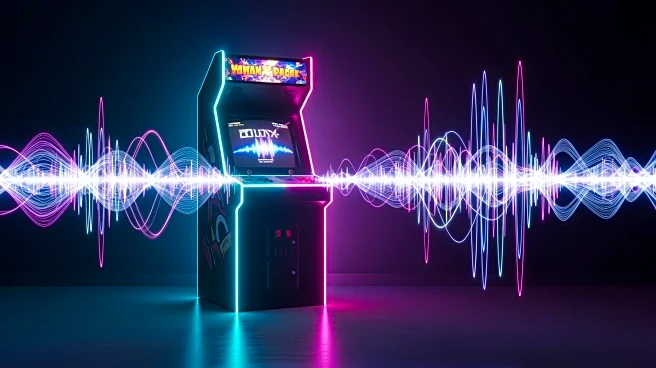
The upcoming rhythm game 'In Falsus' by developer Lowiro is generating excitement for its ability to replicate the arcade rhythm game experience on PC. Known for their previous work on 'Arcaea', Lowiro has managed to capture the essence of Japanese arcade rhythm games, which are renowned for their engaging visuals and complex musical compositions. The demo of 'In Falsus' features five songs, including contributions from well-known composers in the rhythm game community such as Camellia, Aran, and ak+q. These tracks offer a mix of electronic and artcore music styles, providing a diverse auditory experience. The game is praised for its top-notch visuals and intricate charting, which are key elements in creating an authentic arcade feel.
Why It's Important?
'In Falsus'
represents a significant development in the rhythm game genre, particularly for PC gamers who seek the immersive experience typically found in arcade settings. By enlisting popular composers and focusing on high-quality production, Lowiro is setting a new standard for non-arcade rhythm games. This could potentially broaden the appeal of rhythm games, attracting both seasoned arcade enthusiasts and new players. The game's success could influence other developers to invest in similar high-quality productions, thereby enriching the gaming landscape with more diverse and engaging content.
What's Next?
As 'In Falsus' approaches its full release, anticipation is building among rhythm game fans. The inclusion of additional composers like BlackY and Blacklolita suggests that the final version will offer an even more extensive and varied soundtrack. The game's reception could lead to further developments in the genre, possibly inspiring more PC-based rhythm games that emulate the arcade experience. The community's response will be crucial in determining the game's impact and future updates.
Beyond the Headlines
The development of 'In Falsus' highlights a growing trend in the gaming industry towards creating more accessible and high-quality experiences outside traditional platforms. This shift could lead to a democratization of gaming experiences, allowing more players to enjoy genres that were previously limited to specific settings. Additionally, the collaboration with well-known composers underscores the importance of music in gaming, potentially leading to more innovative uses of soundtracks in future game designs.