


What's Happening?
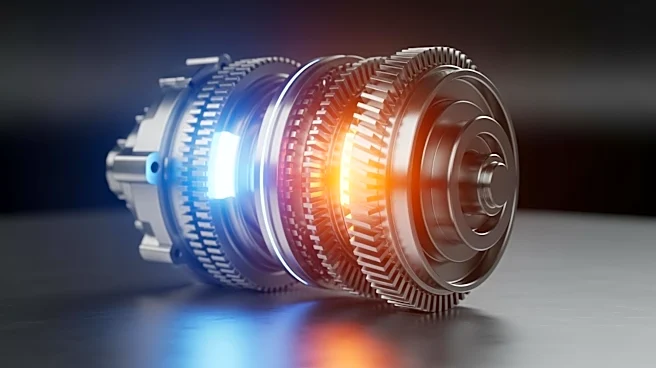
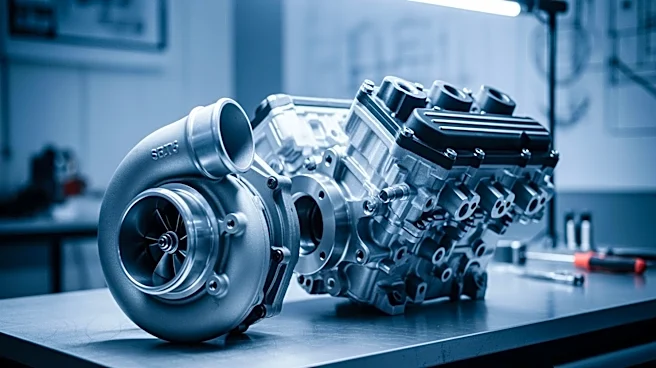
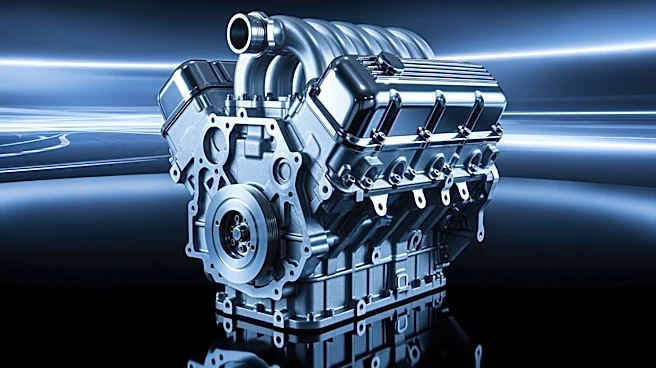
Formula One has announced plans to modify engine designs for the 2027 season in response to widespread criticism from drivers regarding the current power units. The changes, agreed upon by the FIA, F1 teams, and engine manufacturers, aim to adjust the balance
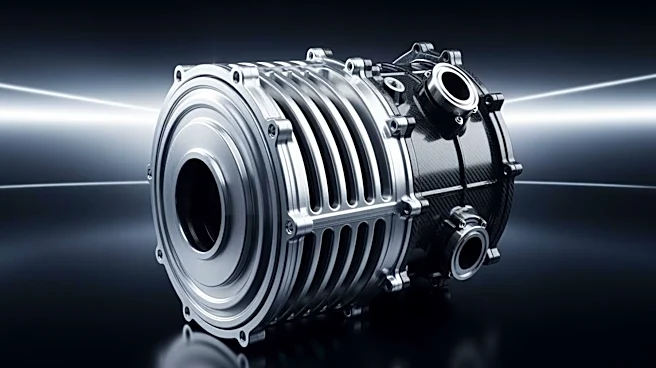
between internal combustion engines (ICE) and electrical energy. The new design will increase the proportion of power from the ICE to 60%, reducing the reliance on electrical energy. This decision follows complaints from drivers about the excessive energy management required under the current 50-50 power split, which has affected racing dynamics and driver satisfaction. The changes are intended to allow drivers to race more aggressively without the need for constant energy conservation. The proposal will undergo further evaluation before being submitted for formal approval by the F1 commission and the FIA’s world motor sport council.
Why It's Important?
The decision to alter the engine design is significant as it addresses the concerns of drivers who have been vocal about the limitations imposed by the current power units. The changes are expected to enhance the racing experience by allowing drivers to focus more on competitive driving rather than energy management. This move could potentially improve the sport's appeal to fans and maintain its status as a premier racing competition. Additionally, the shift in engine design reflects a broader trend in motorsport towards balancing traditional combustion engines with modern hybrid technology, ensuring that Formula One remains relevant in an era of increasing environmental awareness.
What's Next?
The proposed engine changes will be subject to detailed evaluation and discussion among technical groups comprising teams and power unit manufacturers. The final package of changes will need to be ratified by the World Motorsport Council later in the year. Stakeholders will need to consider the technical and logistical implications of the new engine design, including potential modifications to fuel-flow limits and existing engine designs. The outcome of these discussions will determine the final specifications for the 2027 season, with the aim of implementing a solution that satisfies both competitive and environmental objectives.