

What's Happening?
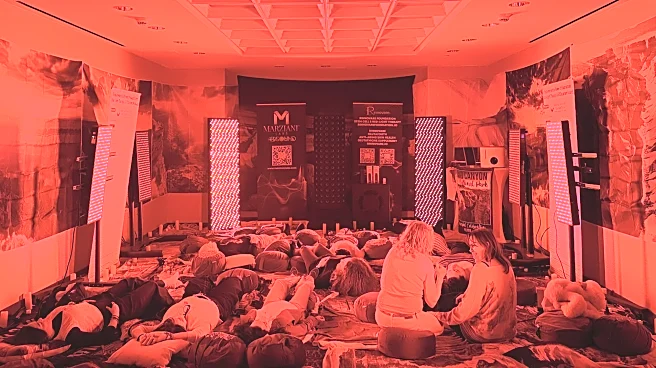
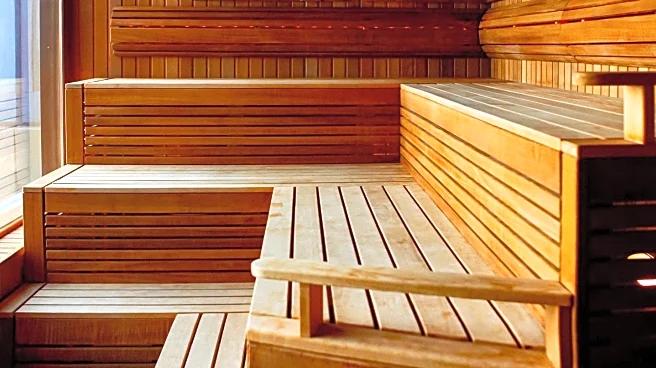
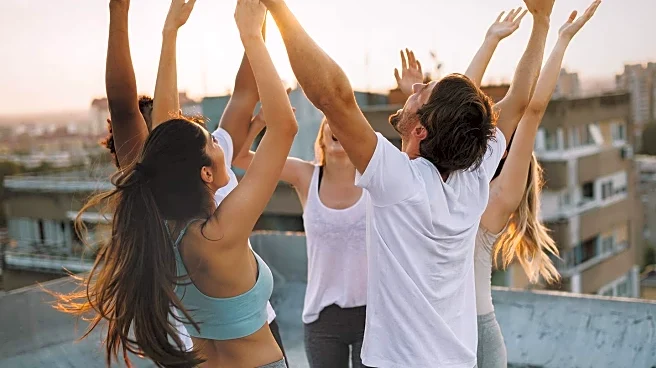
The rise of wellness-focused third spaces and membership clubs is gaining momentum as younger generations, particularly Gen Z and millennials, seek alternatives to traditional social settings. These spaces, such as Bathhouse and Othership, offer environments
that promote health and community without the presence of alcohol. Bathhouse, located in Brooklyn, New York, anticipates reaching $120 million in revenue by the end of the year, highlighting the growing demand for such venues. The concept of third spaces, originally defined by sociologist Ray Oldenburg, refers to places outside of home and work where people can gather and form relationships. This idea has evolved, especially during the pandemic, as social isolation became more pronounced. Companies like Othership are tapping into this need by providing spaces that encourage social interaction and wellness, addressing the loneliness epidemic affecting many young adults.
Why It's Important?
The expansion of wellness third spaces reflects a significant shift in social dynamics, particularly among younger generations who are increasingly prioritizing health and meaningful connections over traditional nightlife. This trend is not only reshaping the social landscape but also creating lucrative business opportunities. The wellness market is projected to reach nearly $10 trillion by 2030, indicating substantial economic potential. As digital interactions become more prevalent, the demand for physical spaces that foster genuine human connections is growing. This shift could influence various sectors, including real estate, hospitality, and health, as businesses adapt to meet the evolving preferences of consumers seeking community and wellness.
What's Next?
As the popularity of wellness third spaces continues to rise, more companies are likely to enter the market, offering diverse experiences that cater to the health-conscious and socially-minded. Existing businesses may expand their offerings to include more locations and services, while new entrants could innovate with unique concepts that blend wellness with social interaction. The trend may also prompt traditional social venues to adapt by incorporating wellness elements to attract a broader audience. Additionally, the focus on community and health could influence public policy and urban planning, encouraging the development of spaces that promote social well-being.
Beyond the Headlines
The emergence of wellness third spaces highlights broader societal changes, including a reevaluation of social norms and the role of technology in human interaction. As people increasingly seek authentic connections, there may be a cultural shift towards valuing experiences that promote mental and physical well-being. This could lead to a redefinition of luxury, where health and community become central components. Furthermore, the trend underscores the importance of addressing loneliness and social isolation, which have significant implications for mental health and societal cohesion. As these spaces gain popularity, they may also influence cultural perceptions of socializing and community building.