
What's Happening?
In a recent discussion on the podcast 'Denatured', experts from Danaher Corporation highlighted the transformative role of digital pathology and artificial intelligence (AI) in cancer treatment. Dr. Rob
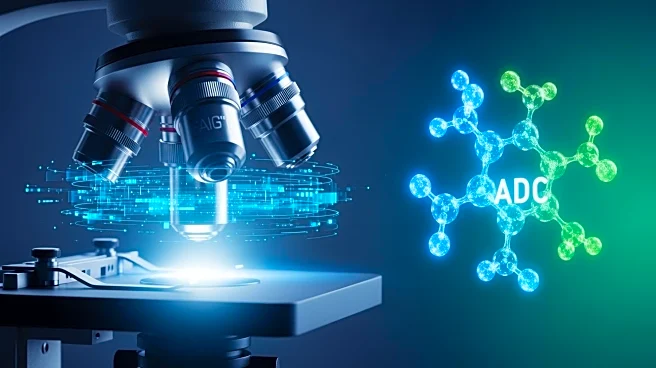
Monroe, Vice President and Chief Scientific Officer of Oncology at Danaher, and Jennifer Fakish, Vice President and Franchise Head of Oncology, discussed how these technologies are improving the accuracy of HER2 level measurements. This advancement is crucial for optimizing the use of antibody-drug conjugates (ADCs) in treating HER2-positive cancers. The integration of AI in digital pathology allows for more precise diagnostics, ensuring that patients receive the most effective treatment tailored to their specific cancer profile.
Why It's Important?
The integration of digital pathology and AI in cancer treatment represents a significant advancement in personalized medicine. By improving the accuracy of HER2 level measurements, these technologies enable healthcare providers to tailor treatments more effectively, potentially improving patient outcomes. This is particularly important for patients with HER2-positive cancers, who can benefit from more targeted and effective ADC therapies. The use of AI in this context not only enhances diagnostic precision but also streamlines the treatment process, potentially reducing costs and improving the efficiency of healthcare delivery. As these technologies continue to evolve, they could set new standards in oncology, influencing treatment protocols and healthcare policies.
What's Next?
As digital pathology and AI technologies continue to develop, their integration into clinical practice is expected to expand. This could lead to broader adoption of personalized treatment plans across various types of cancer, beyond just HER2-positive cases. Healthcare providers and policymakers may need to consider new guidelines and standards to accommodate these advancements. Additionally, ongoing research and development in this field could lead to further innovations, potentially improving the accuracy and effectiveness of cancer diagnostics and treatments. Stakeholders in the healthcare industry, including pharmaceutical companies and medical device manufacturers, are likely to invest more in these technologies, driving further advancements and adoption.