


What's Happening?
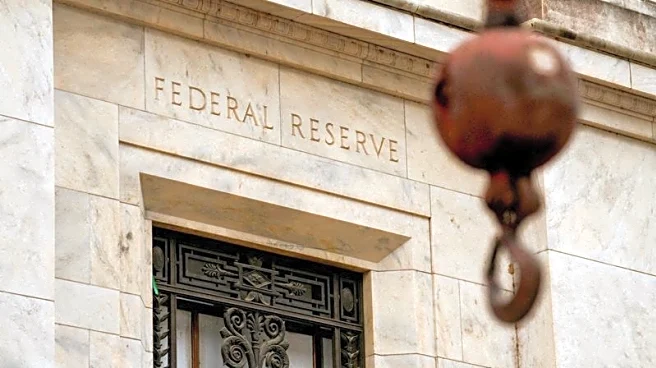
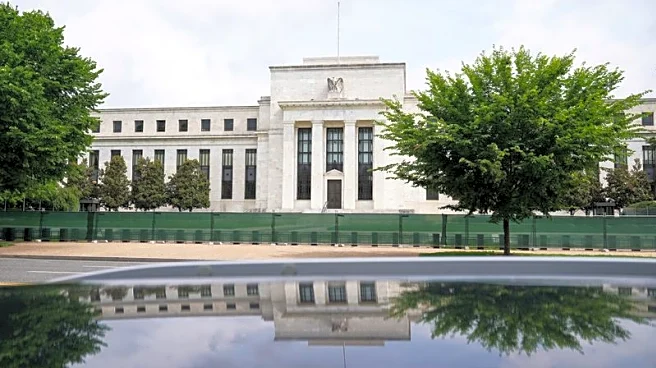
The Federal Reserve is expected to maintain its current interest rates as it navigates inflation concerns and geopolitical tensions, particularly the ongoing conflict involving Iran. The Federal Open Market Committee (FOMC) is unlikely to cut rates, with
futures indicating a stable rate between 3.5% to 3.75%. The conflict has exacerbated inflation fears, pushing back projections for rate cuts. The Fed's decision comes amid rising oil prices and economic uncertainties. Investors are closely watching Fed Chair Jerome Powell's statements for insights into future monetary policy. Meanwhile, major U.S. retailers like Macy's and Lululemon are adjusting their financial outlooks due to economic pressures.
Why It's Important?
The Federal Reserve's decision to hold interest rates reflects its cautious approach to managing inflation and economic stability amid global uncertainties. The ongoing conflict in Iran has led to increased oil prices, impacting inflation and consumer costs. The Fed's actions are crucial in maintaining economic stability and investor confidence. Retailers and businesses are adjusting their strategies in response to these economic conditions, highlighting the interconnectedness of global events and domestic economic policies. The Fed's stance will influence financial markets, consumer spending, and business investments, affecting the broader U.S. economy.
What's Next?
The Federal Reserve will continue to monitor economic indicators and global developments to determine future monetary policy actions. Investors and businesses will be looking for signals from the Fed regarding potential rate cuts later in the year. The ongoing geopolitical tensions and their impact on oil prices will remain a key factor in the Fed's decision-making process. Retailers and other businesses will need to adapt to the evolving economic landscape, balancing cost pressures with consumer demand.