




What's Happening?
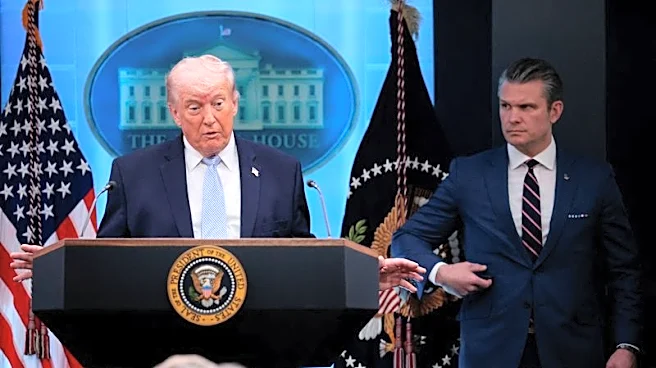
The U.S. dollar experienced a decline as President Trump announced a two-week ceasefire with Iran, leading to a rally in other major currencies. The dollar index, which measures the greenback against a basket of six currencies, fell to its lowest level
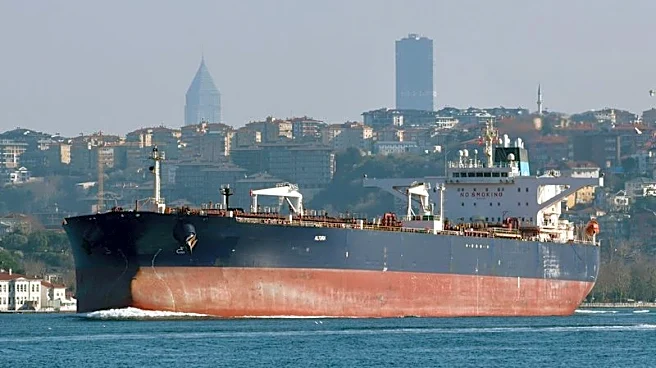
since March 11, marking a third consecutive day of weakening. In response, the Japanese yen, euro, British pound, Australian dollar, and New Zealand dollar all saw significant gains. The yen appreciated by 0.7% against the dollar, while the euro and pound rose by 0.7% and 0.8%, respectively. The Australian and New Zealand dollars also climbed by over 1%. This currency movement followed President Trump's earlier threats of attacks on Iran's infrastructure, which had drawn international condemnation. The ceasefire announcement came just hours before a deadline for Iran to reopen the Strait of Hormuz, a critical passage for global oil shipments.
Why It's Important?
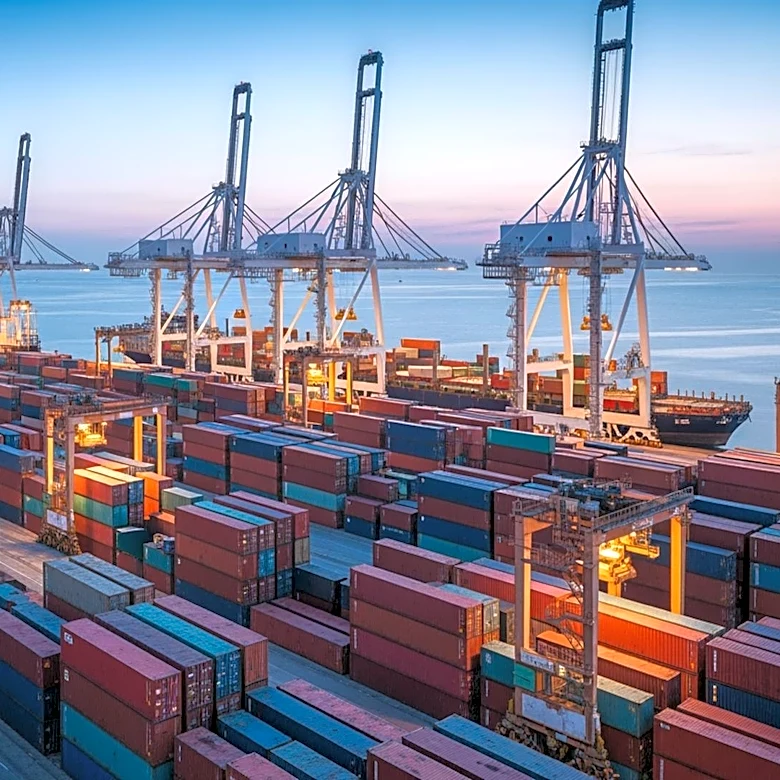
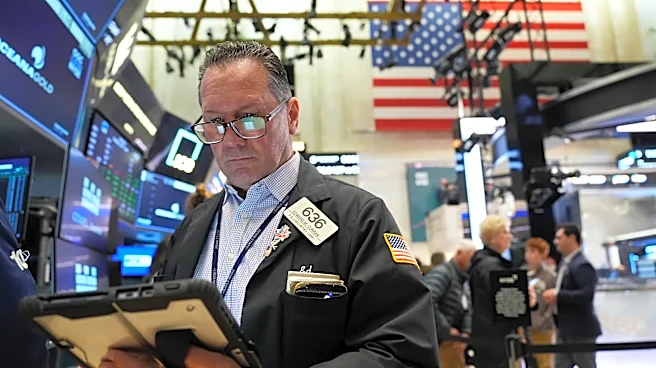
The ceasefire agreement between the U.S. and Iran has significant implications for global markets and geopolitical stability. The weakening of the U.S. dollar and the strengthening of other currencies reflect a shift in investor sentiment towards riskier assets, as the immediate threat of conflict diminishes. This development could stabilize global markets temporarily, but the situation remains fluid, with potential for further volatility. The reopening of the Strait of Hormuz is crucial for maintaining global oil supply routes, and any disruption could have severe economic consequences. The currency fluctuations also impact international trade, as a weaker dollar makes U.S. exports more competitive but increases the cost of imports. Investors and policymakers will be closely monitoring the situation for any changes that could affect economic stability and international relations.
What's Next?
In the coming weeks, the focus will be on the implementation and adherence to the ceasefire agreement. Any breach or escalation could lead to renewed tensions and market instability. Additionally, the reopening of the Strait of Hormuz will be a critical factor in maintaining global oil supply and preventing further economic disruptions. Market participants will also be watching for any policy responses from central banks, particularly the Federal Reserve, as they navigate the implications of currency movements and potential inflationary pressures. The geopolitical landscape remains uncertain, and stakeholders will need to remain vigilant to adapt to any changes in the situation.