



What's Happening?
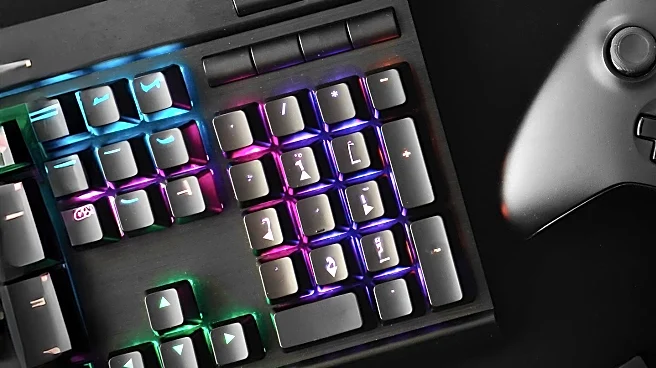
James Bentley, a hardware writer, recently shared his experience transitioning to an ergonomic keyboard, specifically the Cloud Nine C959 Ergo TKL. Initially skeptical due to the unusual design and feel of ergonomic keyboards, Bentley decided to give
it a try after finding one in the PC Gamer office. The keyboard features a split design that can be snapped together, providing benefits such as reduced arm crossing and wrist rests for better hand positioning. Despite initial challenges, such as adjusting to new key placements and learning to touch type, Bentley found the transition easier than expected. However, he noted some difficulties in gaming, particularly with key accessibility during gameplay.
Why It's Important?
The shift to ergonomic keyboards highlights a growing trend in the tech industry towards products that prioritize user comfort and health. For gamers and professionals who spend long hours typing, ergonomic keyboards can potentially reduce strain and prevent repetitive stress injuries. This transition also reflects a broader acceptance of ergonomic designs in mainstream tech, which could influence future product development. While Bentley's experience suggests that ergonomic keyboards may not yet be ideal for gaming, their benefits in reducing physical strain could lead to increased adoption among users seeking healthier work and play environments.
What's Next?
As ergonomic keyboards gain popularity, manufacturers may focus on addressing the current limitations for gamers, such as key accessibility and customization options. This could lead to the development of more versatile ergonomic keyboards that cater to both professional and gaming needs. Additionally, as more users become aware of the health benefits, there may be a shift in consumer preferences towards ergonomic tech products, prompting further innovation in this area.
Beyond the Headlines
The adoption of ergonomic keyboards could have broader implications for workplace ergonomics and employee health. As companies recognize the importance of ergonomic tools in reducing workplace injuries, there may be increased investment in ergonomic office equipment. This shift could also influence workplace policies and practices, promoting a culture of health and wellness. Furthermore, the growing interest in ergonomic products may drive research into other areas of ergonomic design, potentially leading to advancements in related fields.