



What's Happening?
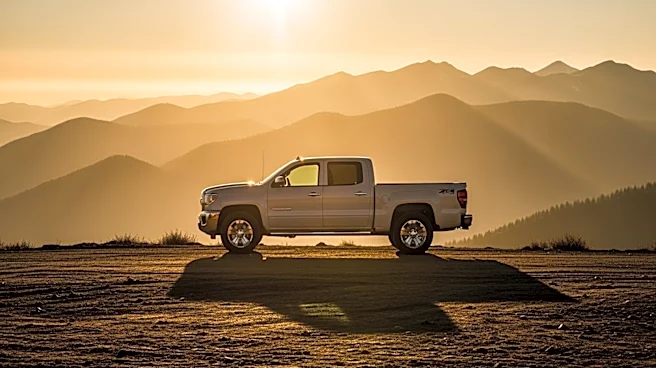
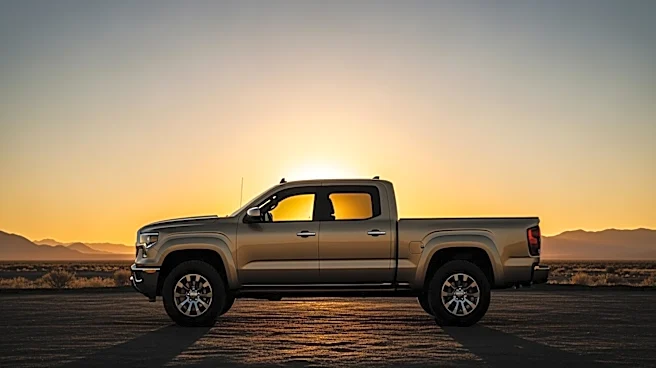
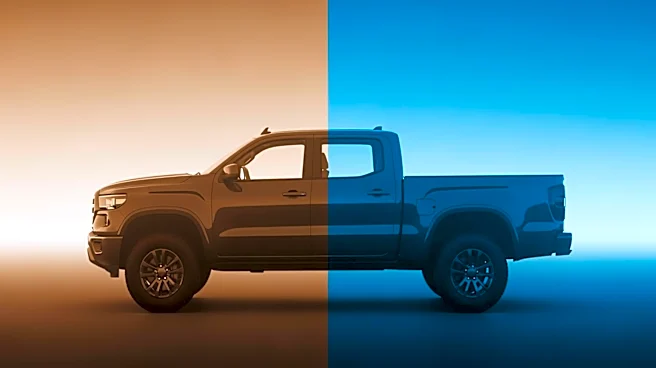
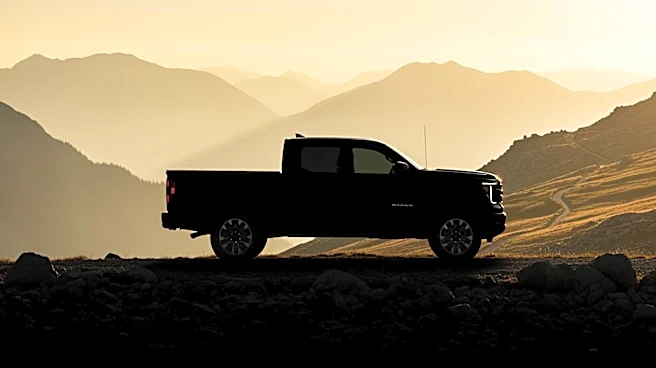
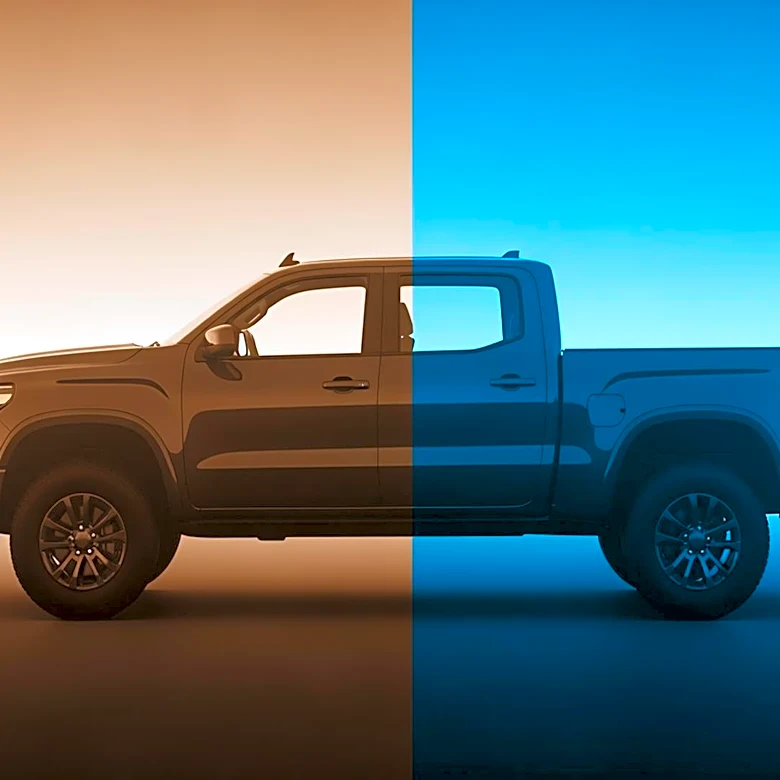
Toyota has introduced a completely redesigned version of its Hilux pickup truck in Japan. The new model retains the IMV ladder-frame platform and is powered by a 2.8-litre 1GD-FTV diesel engine. The launch includes two five-seat double-cab variants, the base
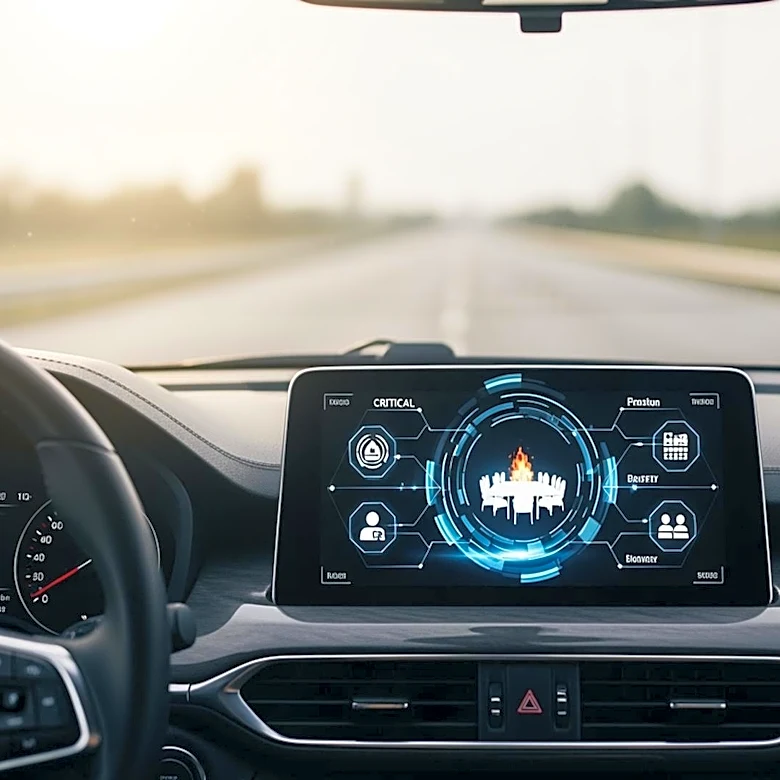
Z grade and the higher-specification Z Adventure, with prices starting at JP¥4,980,800 (approximately US$31,379) and JP¥5,500,000 (approximately US$34,650) respectively. These vehicles are manufactured at Toyota Motor Thailand’s Ban Pho plant, with an initial sales volume of 690 units in Japan. The redesigned Hilux features enhanced structural rigidity with thicker frame side rails and additional spot welds. It also includes modern amenities such as electric power steering, an electric parking brake, a 12.3-inch center display, and a Data Communication Module for over-the-air software updates. The Hilux, measuring 5,325 mm in length, 1,885 mm in width, and 1,865 mm in height, offers a cargo capacity of up to 500 kg.
Why It's Important?
The launch of the redesigned Hilux in Japan signifies Toyota's strategic move to cater to the leisure and active-lifestyle vehicle market, which is a niche segment in the country. Despite the small size of the pickup truck market in Japan, the Hilux has maintained a presence since its first-generation production in 1968, being sold in over 190 countries and regions. This redesign could potentially boost Toyota's market share in the leisure vehicle segment by appealing to consumers seeking robust and versatile vehicles. The inclusion of advanced features like over-the-air updates and enhanced driving aids reflects Toyota's commitment to integrating modern technology into its vehicles, which could set a new standard for competitors in the pickup truck market.
What's Next?
Toyota's focus on enhancing the Hilux with modern features and robust design may lead to increased interest from consumers in Japan and potentially influence other markets where the Hilux is sold. The company's strategy to position the Hilux as a leisure vehicle could prompt other automakers to innovate and introduce similar features in their pickup models. Additionally, the success of this launch could encourage Toyota to further expand its offerings in the leisure vehicle segment, possibly leading to more frequent updates and new models in the future.