

What's Happening?
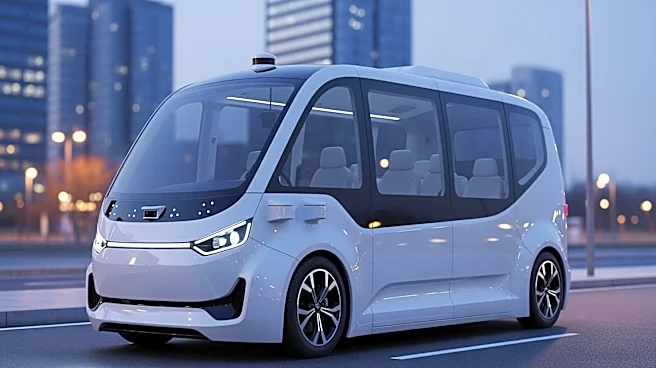
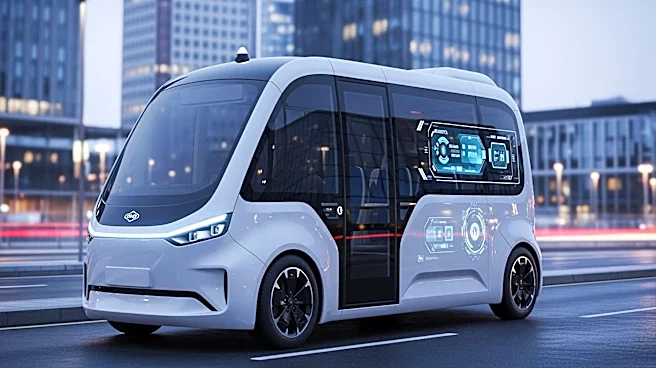
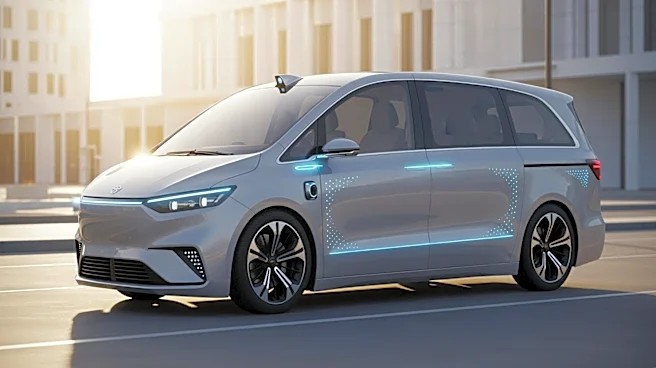
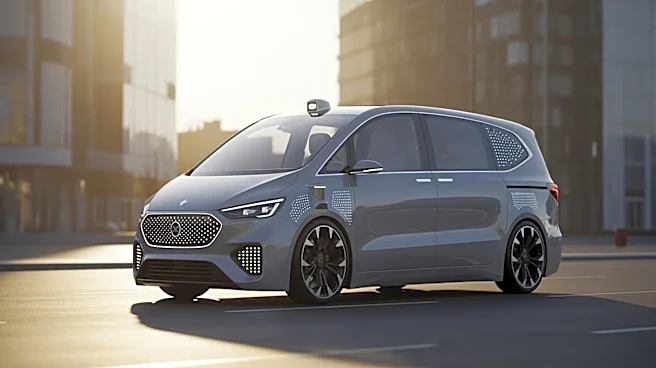
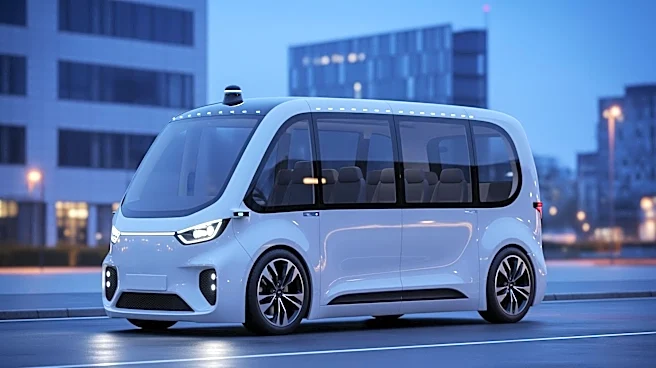
Volkswagen subsidiary MOIA America and Uber have commenced testing autonomous microbuses in Los Angeles. This initiative is part of a plan to launch a commercial robotaxi service using Volkswagen's electric ID. Buzz minivans. The testing phase involves
about 10 autonomous vehicles, with plans to expand the fleet to over 100. Initially, these vehicles will operate with a human safety operator, with fully driverless operations expected by 2027. This project marks a significant step in Volkswagen's strategy to integrate autonomous mobility solutions in urban environments, leveraging Uber's ride-hailing platform.
Why It's Important?
The collaboration between Volkswagen and Uber represents a significant advancement in the deployment of autonomous vehicle technology in the U.S. market. This initiative could transform urban transportation by reducing traffic congestion and emissions, while also enhancing mobility options. The success of this project could set a precedent for future autonomous vehicle deployments, influencing regulatory frameworks and public acceptance. For Uber, this partnership diversifies its autonomous vehicle strategy, potentially reducing operational costs and expanding its service offerings. For Volkswagen, it strengthens its position in the competitive autonomous vehicle market.
What's Next?
MOIA America and Uber will need to navigate a complex regulatory landscape to deploy a commercial robotaxi service in California. This includes obtaining permits from the California Department of Motor Vehicles and the California Public Utilities Commission. The companies will continue testing and scaling their operations, with a focus on ensuring safety and reliability. The broader industry will be monitoring this project closely, as its success could accelerate the adoption of autonomous vehicles in other cities and regions.