







What's Happening?
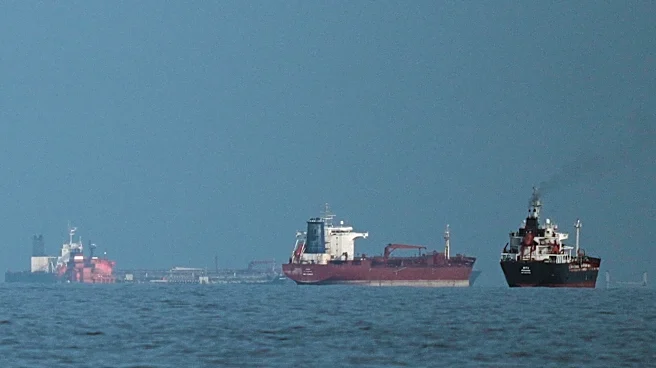
The telecommunications sector is facing significant challenges due to the ongoing crisis in the Strait of Hormuz. This narrow maritime corridor is not only a critical chokepoint for oil and gas but also a primary artery for international data traffic.
Multiple subsea cables pass through this region, and the current instability has elevated the risk of internet disruption in the Gulf region. According to UK-based cybersecurity firm FastNetMon, the region's internet connectivity heavily relies on two primary corridors: the Red Sea and the Arabian Gulf, both of which are now at risk. Historically, redundancy was achieved through multi-operator capacity, but the current situation has exposed the vulnerability of relying on a single narrow corridor. The Asia-Africa-Europe-1 (AAE-1) cable, one of the primary routes for internet traffic, is now the most congested due to overflow from stalled projects. Additionally, billions of dollars' worth of cable projects, such as the 2Africa Pearls Extension, have been halted, impacting the region's high-speed internet ambitions.
Why It's Important?
The crisis in the Strait of Hormuz has significant implications for global telecommunications, particularly affecting the Gulf region's connectivity. The disruption of subsea cables can lead to increased internet congestion and potential outages, impacting businesses and consumers reliant on stable internet connections. The delay in completing major projects like the 2Africa Pearls Extension represents a setback for the region's technological advancement and economic growth. The situation underscores the need for diversified and resilient infrastructure to mitigate risks associated with geopolitical tensions. The telecommunications industry must address these vulnerabilities to ensure reliable connectivity, which is crucial for economic stability and development in the region.
What's Next?
The telecommunications sector may need to explore alternative routes and technologies to enhance redundancy and resilience in the face of geopolitical instability. Stakeholders, including governments and private companies, might consider investing in new infrastructure projects that bypass high-risk areas. Additionally, there could be increased collaboration between international partners to develop contingency plans and share resources. The ongoing situation may also prompt regulatory bodies to reassess policies related to infrastructure development and security. As the crisis unfolds, the industry will likely focus on innovative solutions to maintain connectivity and support the region's digital economy.
Beyond the Headlines
The crisis highlights the broader implications of geopolitical tensions on global infrastructure. It raises ethical and strategic questions about the concentration of critical infrastructure in politically unstable regions. The situation may lead to a reevaluation of international cooperation and investment strategies in the telecommunications sector. Furthermore, it underscores the importance of cybersecurity and the need for robust systems to protect against potential threats. The long-term impact could include shifts in how countries approach infrastructure development, prioritizing security and resilience in the face of global challenges.