
What's Happening?
Walmart Inc. shareholders have voted against a proposal that would have required the company to disclose how its artificial intelligence tools impact employee safety and working conditions. The proposal,
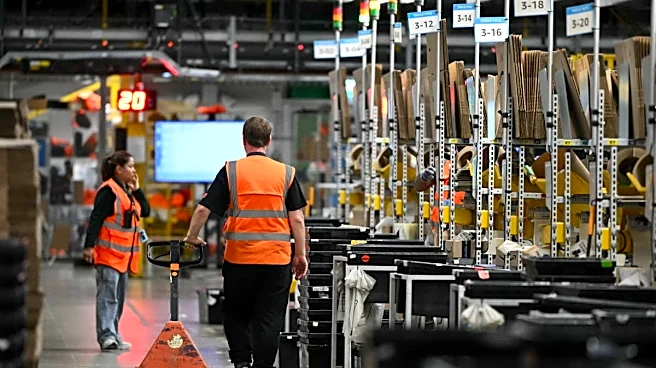
filed by the investor group United for Respect, aimed to increase transparency regarding the effects of AI-driven systems on Walmart's workforce. Despite concerns raised by employees about AI-linked performance expectations leading to injuries, burnout, and high turnover, the measure was rejected at the company's annual meeting. Walmart continues to expand its automation efforts across its supply chain and store operations, competing with Amazon in fast delivery and e-commerce. The company has also announced a new initiative allowing customers to order from Subway locations within its stores, promising delivery in as little as 30 minutes.
Why It's Important?
The rejection of the AI workforce disclosure proposal highlights ongoing tensions between corporate interests and employee welfare in the context of increasing automation. As Walmart scales its use of AI, concerns about worker safety and job satisfaction remain significant. The decision reflects broader industry trends where companies prioritize operational efficiency and competitive advantage over transparency in AI deployment. This development could influence other corporations facing similar pressures to balance technological advancement with employee rights. The expansion of Walmart's express delivery services further intensifies competition in the fast-commerce sector, potentially impacting market dynamics and consumer expectations.
What's Next?
Walmart's continued focus on automation and express delivery services suggests further developments in its operational strategies. The company's approach to AI and employee relations may face increased scrutiny from labor groups and regulatory bodies. As Walmart expands its delivery capabilities, it may encounter challenges related to logistics, customer satisfaction, and market competition. The outcome of this shareholder vote could set a precedent for other companies navigating the complexities of AI integration and workforce management.