

What's Happening?
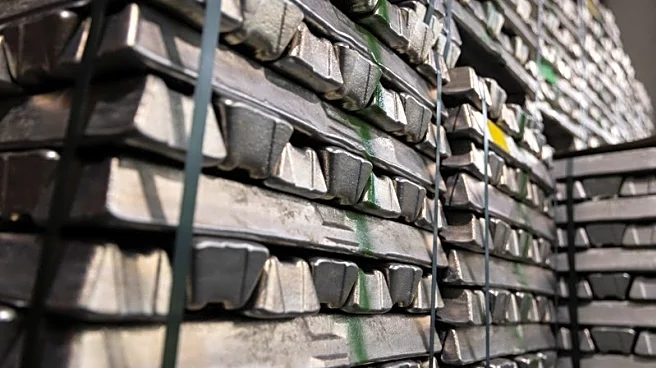
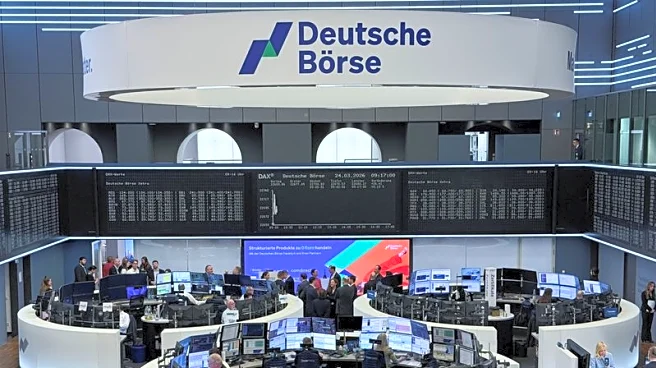
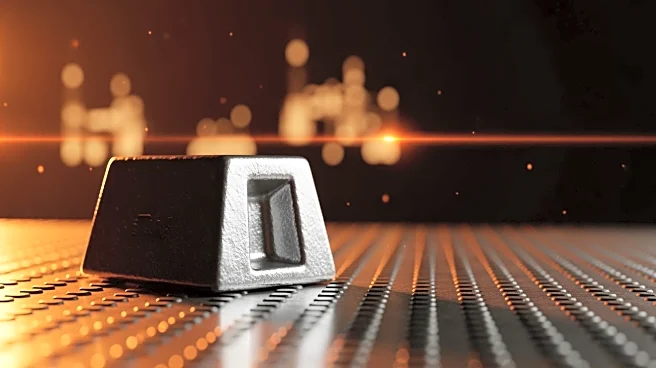
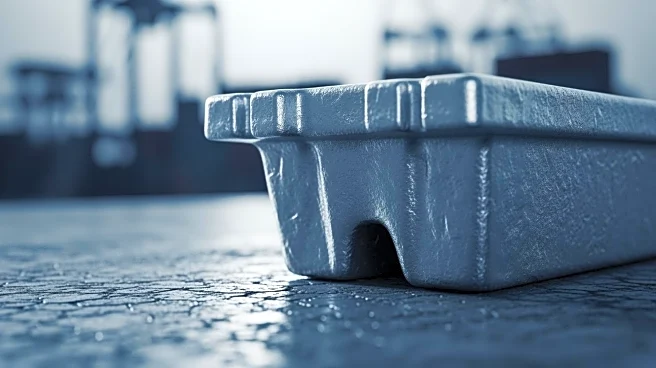
Aluminium prices on the London Metal Exchange surged by 6%, nearing a four-year peak, following Iranian attacks on major Gulf smelters. The attacks targeted Emirates Global Aluminium and Aluminium Bahrain, two of the Middle East's largest aluminium producers,
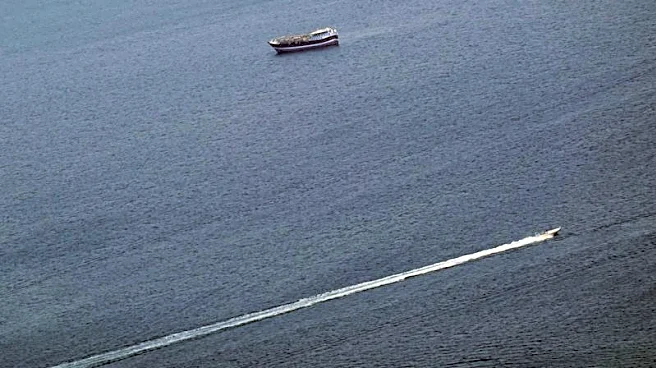
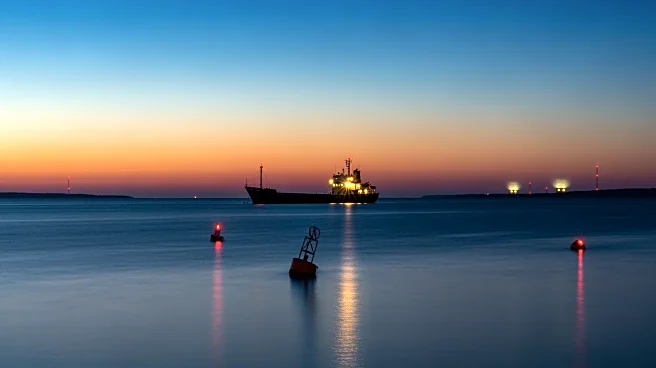
causing significant damage and injuring employees. The disruption has affected about 9% of the global aluminium supply, as these producers have been unable to ship via normal channels due to the ongoing US-Israeli conflict with Iran. The price of aluminium reached $3,492 per metric ton, the highest since March 2022, with potential to rise further if the situation persists.
Why It's Important?
The increase in aluminium prices highlights the vulnerability of global supply chains to geopolitical tensions. The Middle East is a significant player in the aluminium market, and disruptions there can have widespread economic impacts. Higher aluminium prices can lead to increased costs for industries reliant on the metal, such as automotive and construction, potentially affecting consumer prices and economic stability. The situation underscores the importance of diversifying supply sources and enhancing geopolitical stability to mitigate such risks.
What's Next?
As the affected smelters assess the damage, the global aluminium market will be closely monitoring the situation. Any prolonged disruption could lead to further price increases and supply shortages. Stakeholders, including governments and industry leaders, may need to explore alternative supply routes or increase production elsewhere to stabilize the market. The geopolitical tensions in the region could also prompt diplomatic efforts to de-escalate the conflict and restore normal trade operations.