





What's Happening?
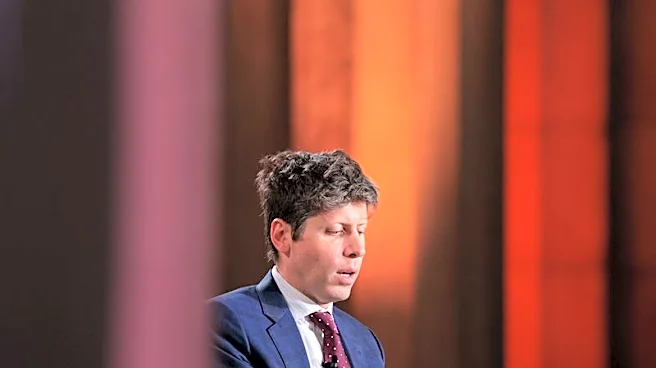
The recent Molotov cocktail attack on Sam Altman's residence has heightened concerns about the safety of CEOs outside their corporate offices. Security experts note that this incident underscores the vulnerability of business leaders at home, prompting
a reevaluation of executive protection strategies. The attack on the OpenAI chief's home highlights the need for comprehensive security measures that extend beyond the workplace. This shift in focus is partly due to the ease with which personal information can be accessed online, making executives more susceptible to targeted attacks. The incident follows a trend of increasing threats against high-profile individuals, particularly in emerging industries like AI.
Why It's Important?
The attack on Altman's home signifies a growing risk for CEOs, especially those in disruptive industries. As public sentiment towards corporate leaders becomes more negative, the likelihood of such incidents may increase. This situation necessitates a broader approach to executive security, encompassing both professional and personal environments. Companies may need to invest more in protective measures, including 24/7 security and enhanced surveillance systems, to safeguard their leaders. The implications extend beyond individual safety, as the perception of risk can affect corporate stability and investor confidence.
What's Next?
In response to the heightened security concerns, companies are likely to expand their protective measures for executives. This may include increased investment in personal security services and technology. Additionally, there may be a push for industry-wide standards and guidelines to address the evolving threat landscape. As the conversation around executive security continues, businesses will need to balance the costs of enhanced protection with the potential risks of inaction. The incident may also prompt discussions about privacy and the ethical considerations of surveillance in personal spaces.