

What's Happening?
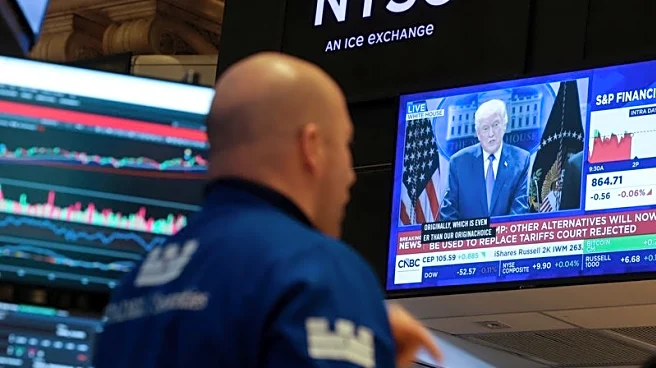
The U.S. Supreme Court recently struck down President Trump's 'reciprocal' tariffs, which were implemented under the International Emergency Economic Powers Act. In response, President Trump announced plans to impose new tariffs globally using Section
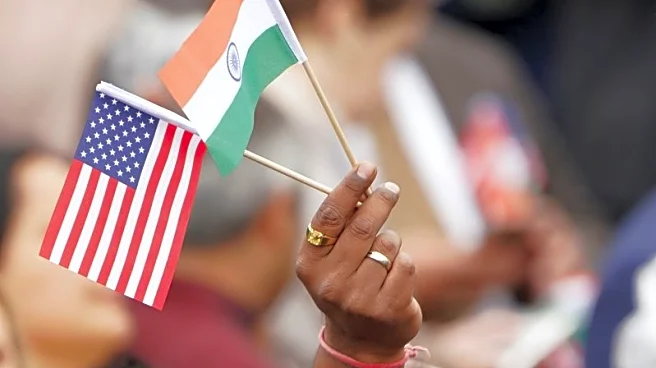
122, initially set at 10% and later increased to 15%. This move has created uncertainty among U.S. importers, who are still paying the now-illegal tariffs due to delays in system updates by U.S. Customs and Border Protection. The Supreme Court's decision has also led to geopolitical repercussions, with India postponing a planned trade visit to the U.S. to assess the ruling's implications.
Why It's Important?
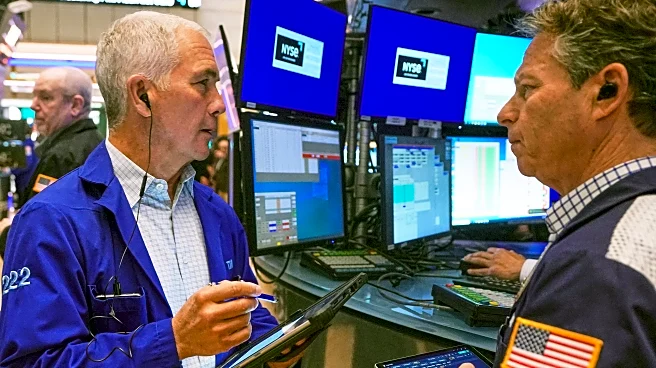
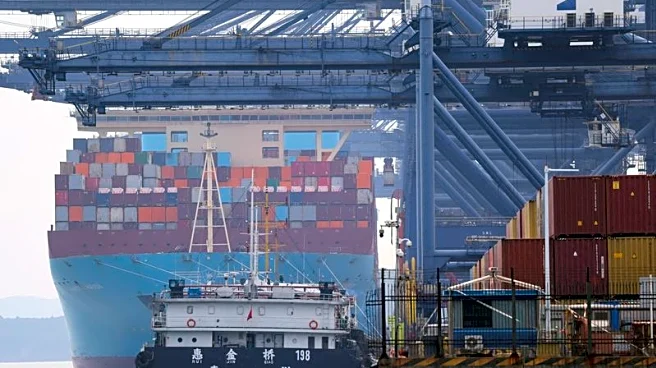
The Supreme Court's ruling and President Trump's subsequent actions have significant implications for international trade and the U.S. economy. The imposition of new tariffs could affect global trade relations and lead to increased costs for U.S. businesses and consumers. The uncertainty surrounding tariff policies may impact market stability and investor confidence, as evidenced by fluctuations in major stock indexes. Additionally, the situation highlights the complexities of tariff implementation and the challenges of navigating international trade laws.
What's Next?
The ongoing tariff situation is likely to prompt further discussions and negotiations between the U.S. and its trading partners. Businesses and importers may seek clarity on tariff policies and potential refunds for previously paid duties. The geopolitical impact of the ruling may influence future trade agreements and diplomatic relations. As the situation develops, stakeholders will be closely monitoring any changes in tariff policies and their effects on the global economy.