







What's Happening?
The ongoing conflict between the U.S. and Iran has escalated, with U.S. Central Command conducting strikes against Iranian military targets. This has led to retaliatory actions from Iran, impacting Gulf countries and raising concerns about prolonged hostilities.
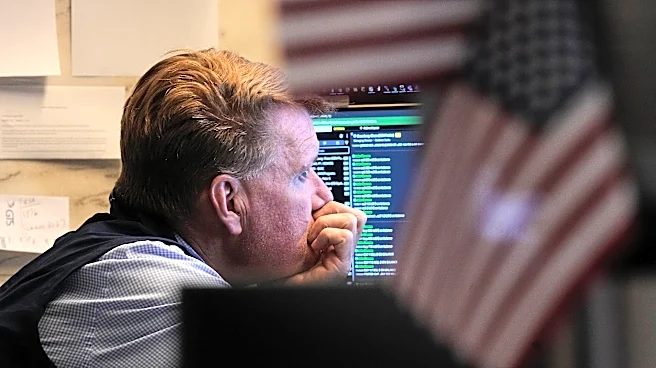
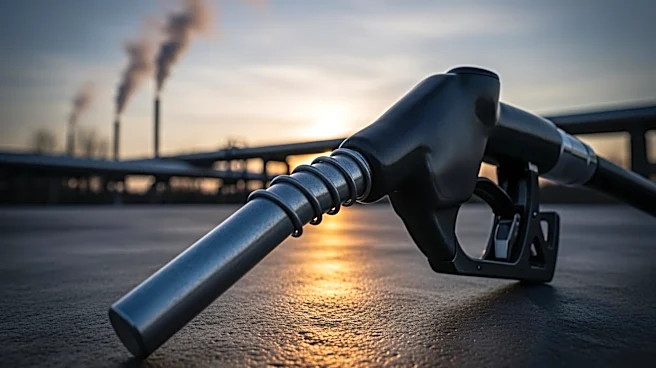
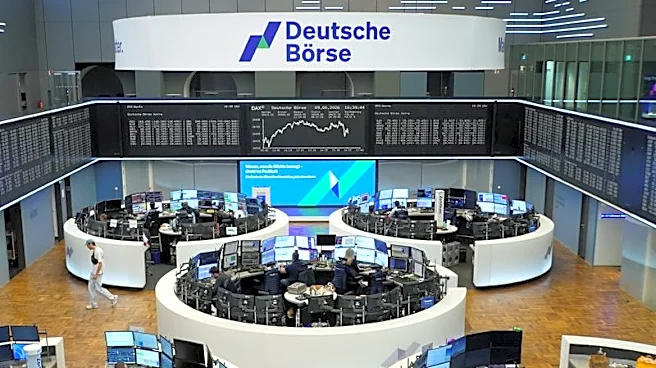
Investors are increasingly factoring in the possibility of a 'long grind' rather than a quick resolution, as geopolitical tensions drive up risk premiums. The conflict has affected oil prices and market stability, with energy costs and borrowing rates remaining high.
Why It's Important?
The escalation of the Iran conflict has significant implications for global markets and the U.S. economy. Prolonged hostilities could lead to sustained high energy prices, affecting inflation and economic growth. Investors are adjusting their strategies to account for increased geopolitical risks, which could impact investment decisions and market dynamics. The situation also highlights the vulnerability of global supply chains and the importance of securing energy routes, such as the Strait of Hormuz, which is critical for oil transportation.
What's Next?
As the conflict continues, markets will closely monitor developments for signs of de-escalation or further escalation. Diplomatic efforts may be pursued to prevent a 'forever war,' but the current trajectory suggests a protracted conflict. Investors will need to navigate the challenges of a high-risk environment, potentially seeking safer assets or diversifying portfolios. The U.S. government may also explore additional measures to stabilize energy markets and mitigate the economic impact of the conflict.