




What's Happening?
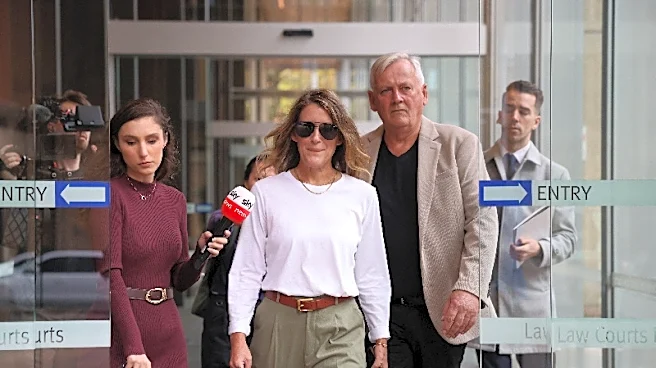
A Federal Court judge in Australia has expressed frustration with Tesla over delays in the discovery process of a class action lawsuit. The case involves allegations that Tesla misled customers about the capabilities of its Full Self Driving technology,
battery range, and phantom braking issues. Judge Tom Thawley criticized Tesla for producing only 2,000 documents after an eight-month discovery period, despite representing 10,000 Australian Tesla drivers. The judge has set a deadline of July 31 for Tesla to complete the discovery process, warning of potential consequences if the company fails to comply. The lawsuit seeks to address concerns about Tesla's engineering software and computer systems, as well as complaints from outside Australia.
Why It's Important?
The outcome of this case could have significant implications for Tesla and its operations in Australia and potentially other markets. If the court finds that Tesla misled customers, it could lead to substantial financial penalties and damage to the company's reputation. This case also highlights the broader issue of transparency and accountability in the automotive industry, particularly concerning advanced driver-assistance systems. The legal proceedings may influence how other automakers approach the marketing and development of similar technologies, potentially leading to stricter regulations and oversight.
What's Next?
Tesla must meet the July 31 deadline to complete the discovery process, or it may face unspecified consequences from the court. The outcome of this case could prompt further legal actions against Tesla in other jurisdictions if similar issues are identified. Additionally, the case may lead to increased scrutiny of Tesla's practices and those of other companies in the industry, potentially resulting in regulatory changes. Stakeholders, including Tesla's competitors and regulatory bodies, will likely monitor the situation closely to assess its impact on the industry.