







What's Happening?
A dietitian has provided insights into how dietary choices can impact sleep quality. Foods rich in omega-3 fatty acids, such as salmon and walnuts, support the body's circadian rhythm and are linked to better sleep. Magnesium-rich foods like pumpkin seeds
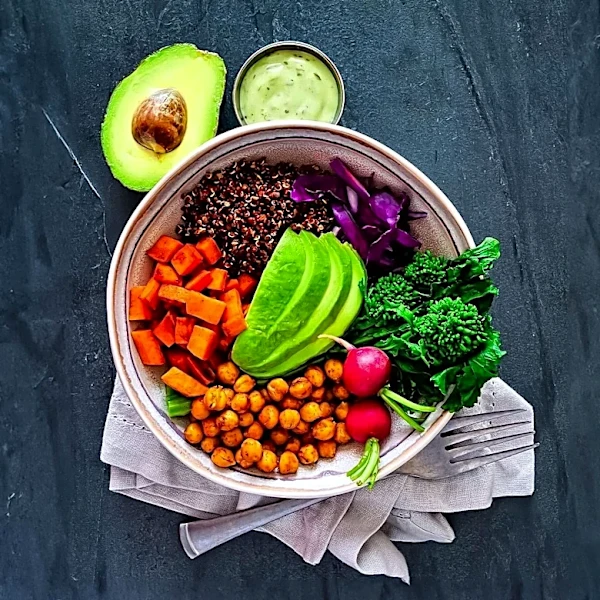
and leafy greens help relax the nervous system, potentially aiding faster sleep onset. Tart cherry juice, containing melatonin compounds, may improve sleep quality when consumed before bed. The dietitian also advises against consuming alcohol, caffeine, and heavy meals close to bedtime, as these can disrupt sleep. A balanced meal plan including Greek yogurt, grain bowls, and protein-rich dinners is recommended to promote restful sleep.
Why It's Important?
Understanding the relationship between diet and sleep is crucial for improving overall health and well-being. Poor sleep can negatively affect mood, energy levels, and cognitive function. By making informed dietary choices, individuals can enhance their sleep quality, which in turn supports better daily functioning. This information is particularly valuable for those struggling with sleep issues, as it offers practical, non-pharmaceutical strategies to improve sleep. The emphasis on consistent intake of omega-3s and magnesium throughout the day highlights the importance of a balanced diet in maintaining healthy sleep patterns.