







What's Happening?
The U.S. bond market is under pressure as yields continue to rise, driven by persistent inflation concerns. The benchmark 10-year yield has climbed to its highest point since January of the previous year, while 30-year yields have reached levels not seen
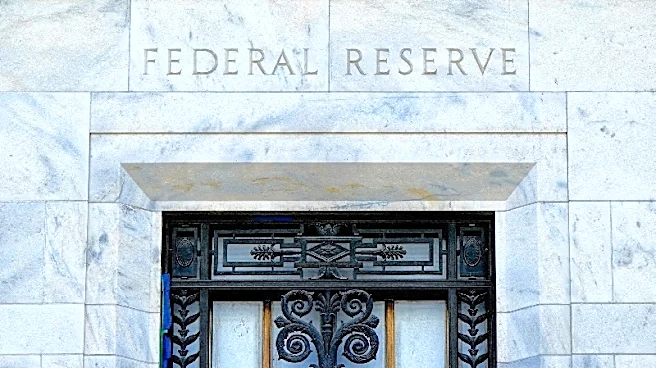
since June 2007. Analysts attribute this trend to stubborn inflation, changing interest rate expectations, and evolving investor behavior. Recent data on consumer and producer prices have exceeded expectations, reinforcing the view that inflation pressures are not easing as quickly as hoped. This has led to increased demand for higher yields to compensate for potential loss in purchasing power. The market's long-term inflation expectations have also risen, reflecting skepticism about the Federal Reserve's ability to manage inflation effectively.
Why It's Important?
The rise in U.S. Treasury yields has broad economic implications, particularly for the stock market and borrowing costs. Higher yields can lead to increased costs for businesses and consumers, potentially slowing economic growth. The Federal Reserve's policy decisions are critical, as sustained inflation could necessitate prolonged high interest rates or further rate hikes. The changing profile of Treasury buyers, with more price-sensitive investors, adds to market volatility and could lead to further yield increases. This environment poses challenges for economic stakeholders, as they navigate the implications of higher borrowing costs and potential shifts in monetary policy.
What's Next?
As investors adjust to the possibility of sustained inflation, there is growing consideration that the Federal Reserve may maintain or even increase interest rates if inflation does not subside. This could lead to further increases in short-term yields. The composition of Treasury buyers has shifted, with more price-sensitive investors from financial centers like the UK and Luxembourg, potentially leading to higher yields before demand stabilizes. Analysts suggest that the market has not fully accounted for the risk of sustained inflation, indicating potential for further yield increases.