


What's Happening?
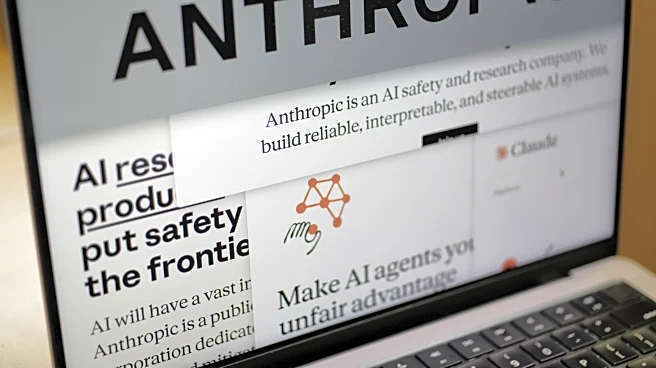
The U.S. Department of War has designated Anthropic, a San Francisco-based AI company, as a supply-chain risk, marking the first time this designation has been applied to an American firm. This decision requires defense contractors to certify that they
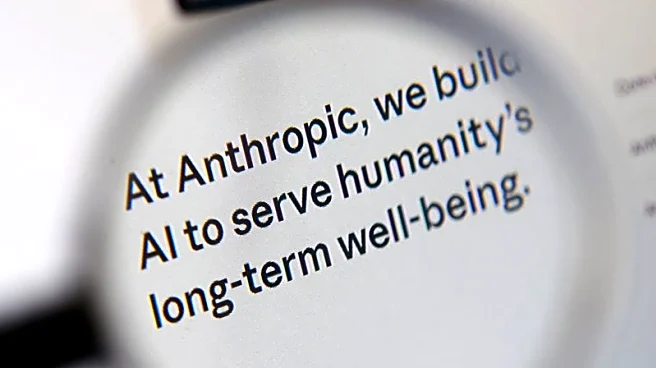
do not use Anthropic's AI models, specifically Claude, in their operations. The designation, typically reserved for companies from adversarial nations like China's Huawei, has been met with resistance from Anthropic. The company argues that the designation is unlawful and retaliatory, as it sought assurances that its AI would not be used for mass domestic surveillance or fully autonomous weapons. The Pentagon, however, contends that such uses are already restricted by law and internal policy, and sees no need to enshrine these limits in a commercial contract.
Why It's Important?
This development highlights the tension between national security interests and the ethical deployment of AI technologies. The designation could have significant implications for the U.S. tech industry, potentially discouraging innovation and collaboration with the government. It raises questions about the balance between security and civil liberties, as well as the role of private companies in setting ethical standards for AI use. The decision also underscores the strategic importance of AI in defense, as the Pentagon seeks to maintain control over critical technology assets. The broader tech industry is divided, with some companies supporting Anthropic's stance, while others, like OpenAI, are moving to fill the gap left by Anthropic's exclusion.
What's Next?
Anthropic plans to challenge the designation in court, arguing that it is not legally sound. The outcome of this legal battle could set a precedent for how AI companies interact with the government and influence future policy decisions. Meanwhile, the Pentagon's directive to cease using Anthropic's technology may face practical challenges, given its current deployment in military operations. The situation remains fluid, with potential for further negotiations or a court ruling that could redefine the relationship between the tech industry and national security agencies.
Beyond the Headlines
The case raises deeper questions about the ethical responsibilities of AI developers and the potential for government overreach in the name of national security. It also highlights the geopolitical dimensions of technology development, as domestic companies are treated similarly to foreign adversaries. This could lead to a chilling effect on innovation and collaboration, as companies may become wary of engaging with government contracts. The situation also reflects broader societal debates about privacy, surveillance, and the militarization of AI.