







What's Happening?
An off-grid modernist residence in California's Owens Valley has been listed for sale at $1.65 million. Designed by architect Linda Taalman, the two-bedroom home is situated on a 2-acre parcel that was once part of a larger ranch owned by philosopher
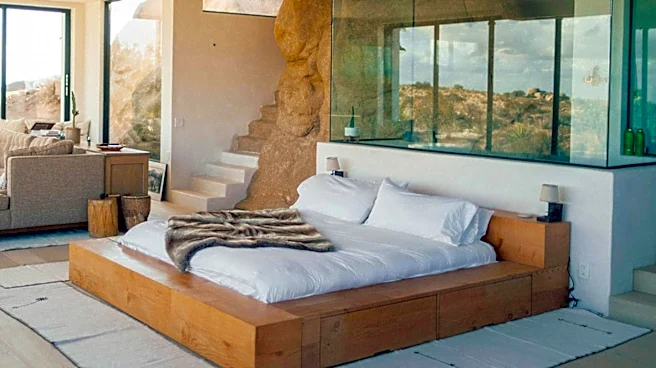
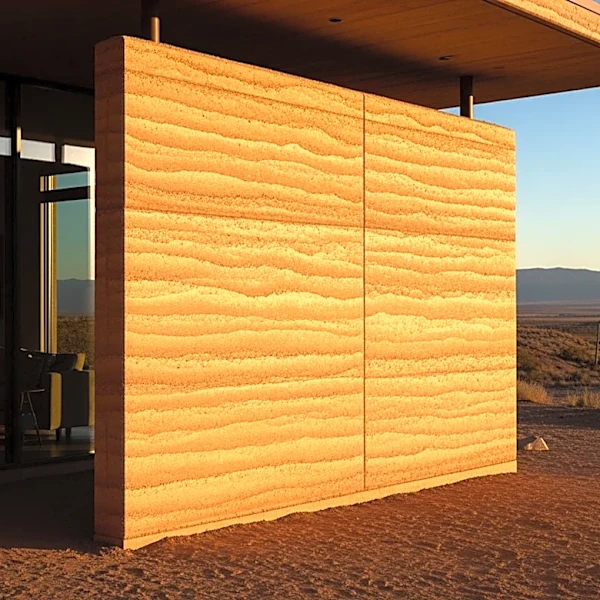
Dr. Franklin Merrell-Wolff. Known for its potential to offer 'mystical enlightenment,' the property is surrounded by protected wilderness, providing panoramic views of the Eastern Sierra and Inyo Mountains. The home features sustainable design elements, including a 20-panel solar array, a private well with advanced filtration, and a 700-square-foot deck. The minimalist design integrates the natural landscape, with glass walls framing the desert scenery.
Why It's Important?
This property exemplifies a growing trend in sustainable and off-grid living, appealing to those seeking a lifestyle that harmonizes with nature. The architectural design respects the historical and spiritual significance of the land, offering a unique living experience. The sale of such properties highlights a niche market for eco-conscious buyers and underscores the increasing value placed on sustainability in real estate. The home's design and location also reflect a broader cultural shift towards valuing environmental preservation and minimalistic living.
What's Next?
The listing of this property may attract interest from buyers looking for unique, sustainable homes that offer both modern amenities and a connection to nature. It could also inspire further development of similar properties in areas with rich natural and historical significance. As interest in sustainable living grows, more architects and developers may focus on creating homes that integrate with their natural surroundings while maintaining modern comforts.
Beyond the Headlines
The property's connection to Dr. Franklin Merrell-Wolff adds a layer of cultural and historical depth, potentially attracting buyers interested in the philosophical and mystical heritage of the site. This aspect may influence future preservation efforts and community interest in maintaining the area's unique character. The integration of sustainable technology with historical reverence could serve as a model for future developments in environmentally sensitive areas.