




What's Happening?
Actors in the micro drama industry are raising concerns over the use of AI-generated deepfake ads that misrepresent their likenesses in sexualized scenes. Tess Dinerstein, a prominent actor in this field, expressed shock upon discovering a promotional
video for a show she starred in, which falsely depicted sexual content not present in the actual series. This issue is part of a broader trend where actors' images are manipulated without consent to create misleading advertisements. The actors, including Faith Orta and David Eves, have reported emotional and reputational damage due to these unauthorized deepfake ads. Despite platforms like Meta and TikTok having policies against such content, some ads still manage to bypass these controls, leading to significant distress among affected actors.
Why It's Important?
The misuse of AI in creating deepfake ads poses significant ethical and legal challenges, particularly in the entertainment industry. For actors, these unauthorized manipulations can lead to reputational harm and emotional distress, undermining their professional integrity. The issue also highlights the inadequacy of current legal frameworks to address AI-generated content, as many actors find it difficult to seek recourse against overseas companies responsible for these ads. This situation underscores the need for stronger legislative measures to protect individuals from non-consensual use of their likenesses, as well as the importance of tech companies enhancing their content moderation capabilities to prevent such occurrences.
What's Next?
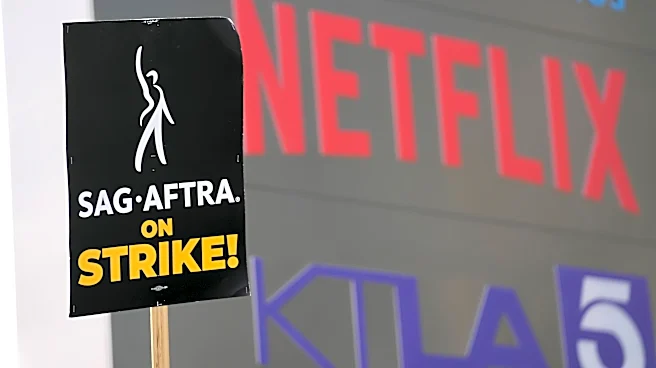
Actors are increasingly advocating for contractual protections against AI manipulation of their images, with some already including clauses in their agreements to prevent unauthorized use. The actors' union, SAG-AFTRA, is also negotiating for stronger AI protections in contracts with major studios. As the industry grapples with these challenges, there is a growing call for more robust legal safeguards and industry standards to prevent the misuse of AI in creating deepfake content. Tech companies like Meta and TikTok are expected to continue improving their AI labeling and content moderation practices to better identify and remove such misleading ads.
Beyond the Headlines
The rise of AI-generated deepfakes in advertising not only affects individual actors but also raises broader concerns about digital consent and privacy. As AI technology becomes more sophisticated, the potential for misuse increases, necessitating a reevaluation of ethical standards in digital content creation. This development could lead to long-term shifts in how digital likenesses are protected and managed, prompting industries to adopt more stringent measures to safeguard against unauthorized use. The situation also highlights the cultural implications of AI, as it challenges traditional notions of authenticity and consent in media representation.