
What's Happening?
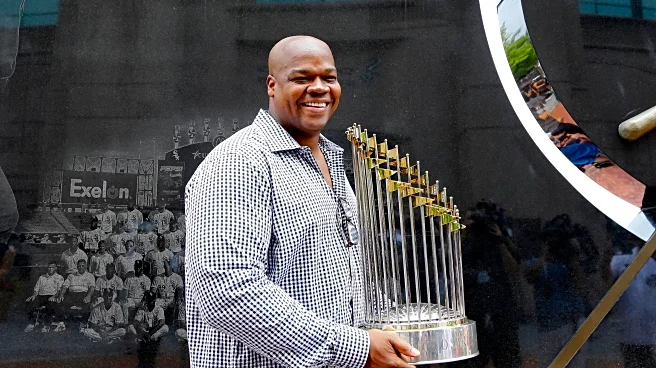
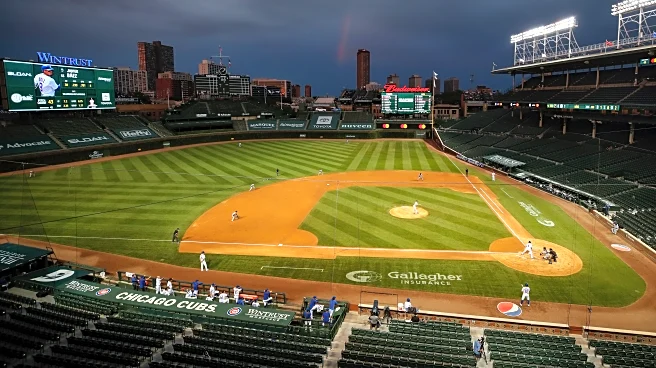
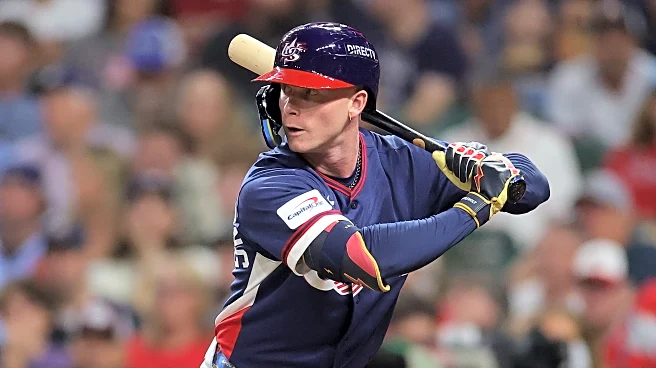
Frank Thomas, a Hall of Fame slugger and former Chicago White Sox player, has filed a lawsuit against the White Sox, Nike, and Fanatics. The lawsuit, filed in Illinois’ Cook County circuit court, alleges that these entities profited from the sale of jerseys
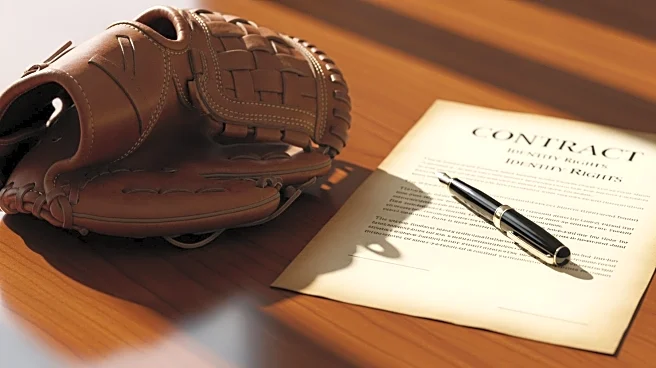
featuring Thomas' name and likeness without his consent. Thomas is seeking at least $50,000 in damages and has requested a jury trial. The jerseys in question are part of the City Connect 2.0 series, which includes a design that pays homage to the Chicago Bulls, another team owned by Jerry Reinsdorf. Thomas' attorney, William T. Gibbs, claims the lawsuit is based on violations of the Illinois Right to Publicity Act, which prohibits profiting from an individual's identity without permission.
Why It's Important?
This lawsuit highlights ongoing issues related to the use of athletes' likenesses and the financial implications for both the individuals and the companies involved. For Thomas, the case underscores a strained relationship with the White Sox, a team he played for during the majority of his career. The outcome of this lawsuit could set a precedent for how sports franchises and apparel companies handle the use of former players' identities in merchandise. It also raises questions about the rights of athletes to control their personal brand and the financial benefits derived from it. Companies like Nike and Fanatics could face significant financial and reputational impacts depending on the case's outcome.
What's Next?
A case management hearing is scheduled for May 21 in Cook County circuit court. This hearing will likely address preliminary matters and set the stage for how the lawsuit will proceed. The White Sox, Nike, and Fanatics may respond to the allegations, potentially leading to a settlement or a prolonged legal battle. The case could attract attention from other former athletes who might consider similar legal actions if they believe their likenesses have been used without consent. The sports industry and legal experts will be watching closely to see how this case might influence future dealings between athletes and commercial entities.