





What's Happening?
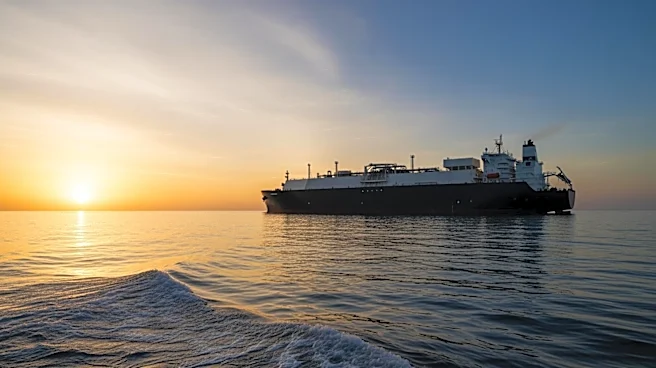
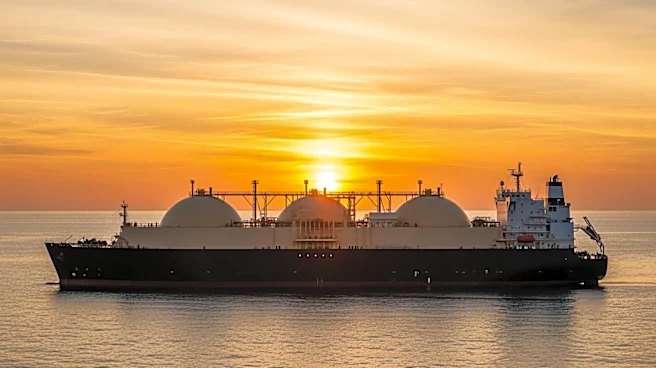
The global supply of liquefied natural gas (LNG) increased by nearly seven percent in the latter half of 2025, driven largely by new U.S. projects. These include Louisiana LNG, Corpus Christi Trains 8 & 9, and others, solidifying the U.S.'s position as the world's
largest LNG supplier. The rise in supply is expected to meet increasing global demand, particularly from Asia. LNG is considered a cleaner fossil fuel, producing significantly less CO2 and sulfur oxides compared to heavy fuel oil. The expansion of LNG infrastructure and projects is part of a broader energy transition towards cleaner fuels.
Why It's Important?
The expansion of LNG supply is crucial for meeting global energy demands while reducing carbon emissions. As countries invest in infrastructure to import LNG, the U.S. stands to benefit economically from increased exports. The shift towards LNG also aligns with global efforts to transition to cleaner energy sources, helping countries meet emissions targets. However, the high costs and limited availability of clean fuels present challenges. The U.S.'s role as a leading LNG supplier positions it strategically in the global energy market, influencing energy policies and trade dynamics.
Beyond the Headlines
The growth of the LNG market highlights the ongoing energy transition and the challenges of balancing economic and environmental goals. While LNG offers a cleaner alternative to traditional fossil fuels, the industry must address issues like methane emissions, known as 'methane slip,' to fully realize its environmental benefits. The development of LNG infrastructure also raises questions about long-term energy strategies and the role of alternative fuels in achieving decarbonization goals. As the market evolves, stakeholders will need to navigate these complexities to ensure sustainable growth.