
What's Happening?
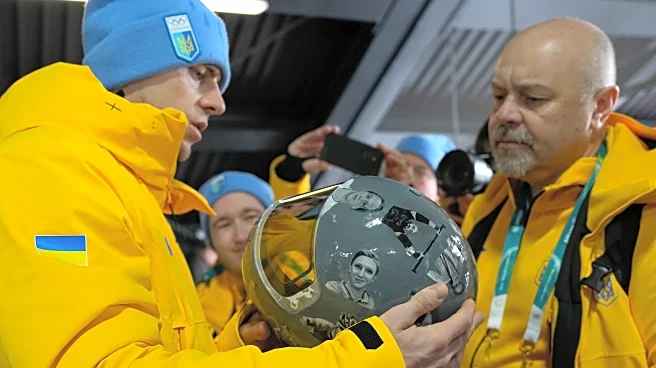
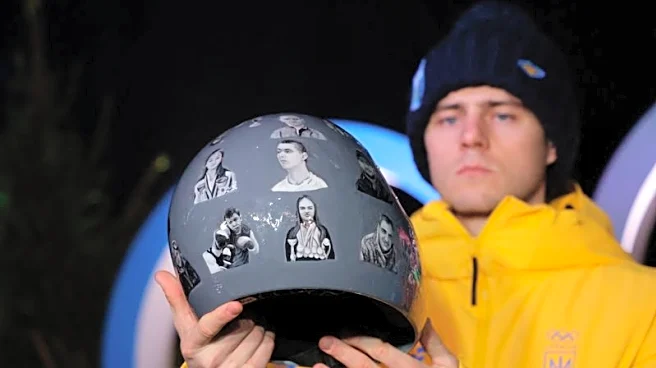
Ukrainian skeleton athlete Vladyslav Heraskevych was disqualified from the Winter Olympics after refusing to comply with the International Olympic Committee's (IOC) guidelines on athlete expression. Heraskevych intended to wear a helmet honoring over 20 Ukrainian athletes and coaches killed in the war with Russia. Despite pleas from the IOC to use a different helmet, Heraskevych stood firm, leading to his disqualification just before the competition. The IOC offered alternatives, such as wearing a black armband, but Heraskevych declined. The decision was made by the International Bobsled and Skeleton Federation, citing non-compliance with the Olympic Charter.
Why It's Important?
This incident highlights the ongoing tension between athletes' rights to personal expression
and the IOC's regulations. Heraskevych's disqualification underscores the challenges athletes face when attempting to make political or personal statements at international events. The decision has sparked discussions about the consistency of the IOC's enforcement of its rules, as other athletes have been allowed to express personal messages. This situation also brings attention to the broader issue of how international sports organizations handle expressions related to geopolitical conflicts, potentially influencing future policies and athlete activism.
What's Next?
Heraskevych plans to appeal the decision to the Court of Arbitration for Sport, although the race has already occurred. The outcome of this appeal could set a precedent for how similar cases are handled in the future. Additionally, the incident may prompt the IOC to review and possibly revise its guidelines on athlete expression to address inconsistencies and ensure fair application across all sports and events.