




What's Happening?
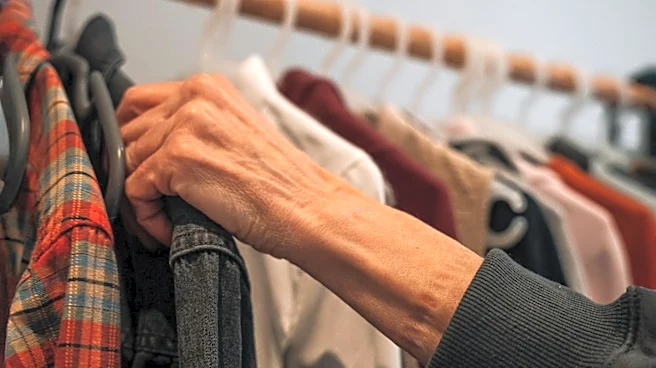
As the cost of living continues to rise, many Americans are turning to secondhand shopping to manage their apparel expenses. According to Thredup data, 72% of 3,268 American adults reported that increasing prices are affecting their clothing budgets,
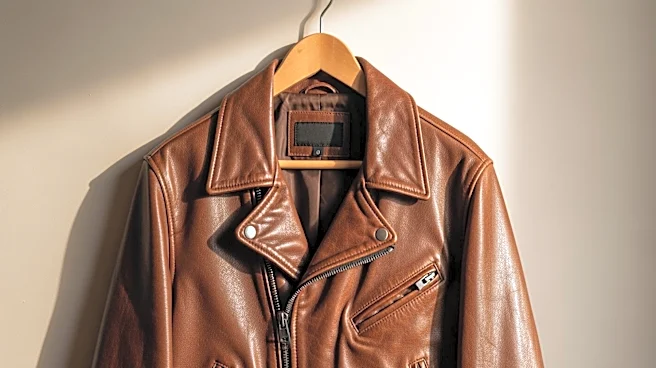
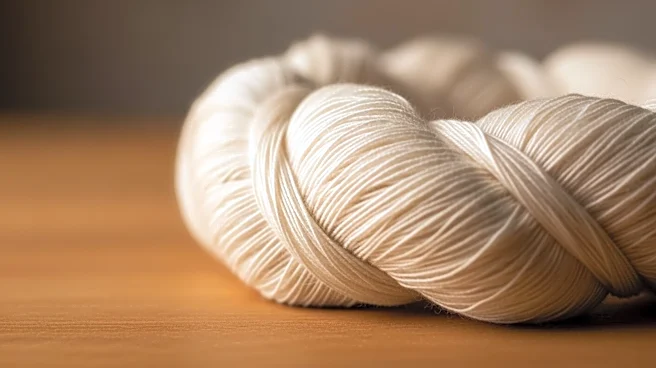
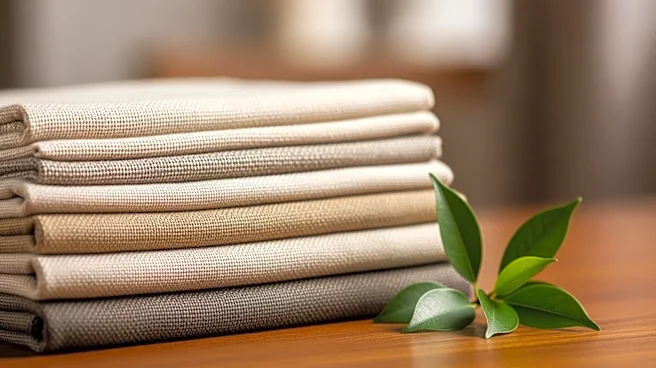
with 27% planning to buy more secondhand items to counteract these costs. Lissy Clow, a thrift expert and community marketing lead at vintage wholesaler Fleek, advises shoppers to focus on value rather than just price when purchasing thrifted items. Clow suggests that buyers should consider the quality of materials, versatility, specific occasions for use, and personal instinct when evaluating secondhand clothing. She emphasizes the importance of choosing items made from durable natural materials like cotton, linen, or wool, which tend to last longer than fast-fashion alternatives.
Why It's Important?
The shift towards secondhand shopping reflects broader changes in consumer behavior driven by economic pressures and a growing emphasis on sustainability. As more individuals seek affordable and environmentally friendly options, the secondhand market is experiencing significant growth. This trend not only helps consumers save money but also supports sustainable fashion practices by reducing waste and promoting the reuse of clothing. Retailers and brands may need to adapt to this changing landscape by incorporating more sustainable practices and offering secondhand options to meet consumer demand. The increased focus on value and sustainability could lead to long-term shifts in the fashion industry, influencing production methods and consumer expectations.
What's Next?
As the secondhand market continues to expand, retailers and brands may explore new strategies to capitalize on this trend. This could include partnerships with thrift stores, launching their own secondhand lines, or implementing take-back programs to encourage recycling and reuse. Consumers are likely to become more discerning in their purchases, prioritizing quality and sustainability over quantity. This shift may also prompt further innovation in sustainable fashion, as companies seek to meet the evolving demands of eco-conscious shoppers. Additionally, policymakers might consider supporting initiatives that promote sustainable consumption and reduce textile waste.
Beyond the Headlines
The growing popularity of secondhand shopping highlights a cultural shift towards more mindful consumption. This trend challenges the traditional fast-fashion model, which prioritizes rapid production and low costs at the expense of environmental and social impacts. By choosing secondhand items, consumers are not only saving money but also contributing to a more sustainable and ethical fashion industry. This movement could inspire broader changes in consumer behavior across other sectors, encouraging individuals to consider the environmental and social implications of their purchases. As awareness of sustainability issues increases, businesses and consumers alike may prioritize practices that align with these values.