
What's Happening?
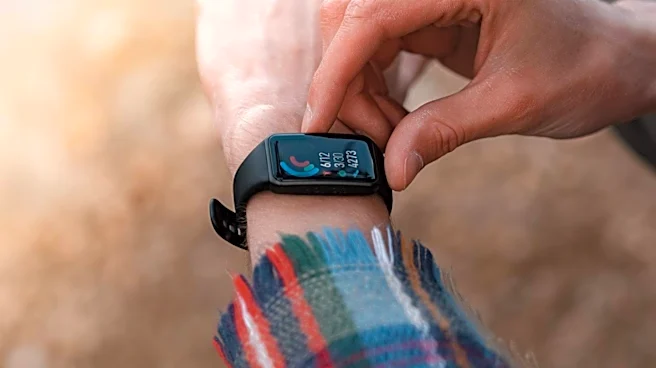
CNET examines the effectiveness of different wearable devices in tracking health data, focusing on the importance of sensor placement. The article highlights that while most wearables are designed for
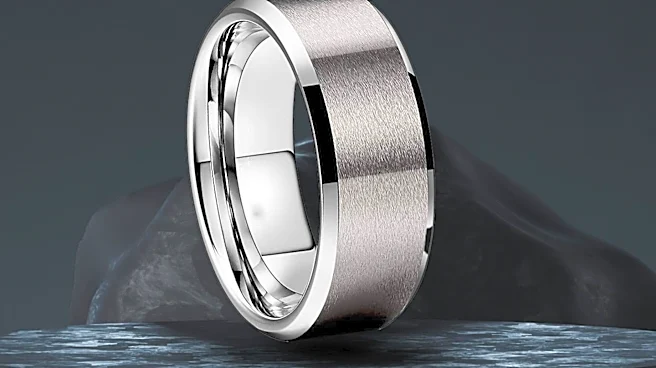
the wrist, alternative placements like the finger, ear, and even underwear can offer varying levels of accuracy. Devices such as the Whoop band, Oura Ring, and AirPods Pro 3 are discussed for their ability to track vital signs like heart rate and blood oxygen levels. The article emphasizes that while wearables are not medical-grade devices, they are approaching clinical-grade precision, making them valuable tools for personal health monitoring.
Why It's Important?
The exploration of wearable technology's accuracy underscores the growing role of these devices in personal health management. As wearables become more sophisticated, they offer users the ability to monitor health metrics continuously, providing insights that can inform lifestyle choices and potentially preempt medical issues. The discussion on sensor placement highlights the need for consumers to understand how to optimize their devices for the most accurate readings. This knowledge is crucial as wearables become integral to health and fitness routines, offering a bridge between consumer technology and healthcare. The article also raises awareness about the limitations of wearables, reminding users to complement them with professional medical advice.