



What's Happening?
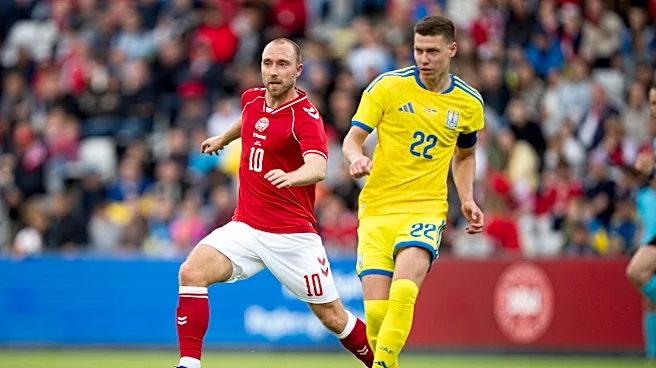
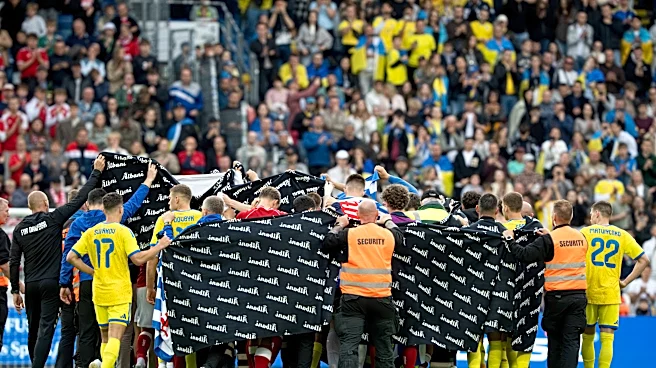
Christian Eriksen, a Danish footballer, recently collapsed during a friendly match against Ukraine, highlighting the challenges faced by athletes with implantable cardioverter defibrillators (ICDs). Eriksen's ICD, fitted after a cardiac arrest during Euro
2020, is designed to reset or stabilize his heart rhythm. The incident has raised questions about the safety and feasibility of returning to elite sports with such a device. Former athletes like James Taylor and Clive Clarke have shared their experiences, emphasizing the psychological and physical adjustments required. While ICDs provide a safety net, they also impose lifestyle restrictions, such as temporary driving bans if the device activates unexpectedly.
Why It's Important?
The situation underscores the delicate balance between pursuing athletic careers and managing health risks for athletes with ICDs. This issue is significant for sports organizations, medical professionals, and athletes themselves, as it involves assessing the risks of high-intensity sports against the benefits of continued participation. The broader implications include potential policy changes in sports governance regarding health monitoring and support for athletes with medical devices. It also highlights the need for increased awareness and education about the capabilities and limitations of ICDs in sports settings.
What's Next?
Future developments may include more comprehensive guidelines for athletes with ICDs, focusing on safe participation in sports. Medical advancements could lead to improved ICD technology, offering better integration with athletic activities. Sports organizations might also enhance support systems for athletes dealing with similar health challenges, ensuring they have access to necessary medical and psychological resources.