







What's Happening?
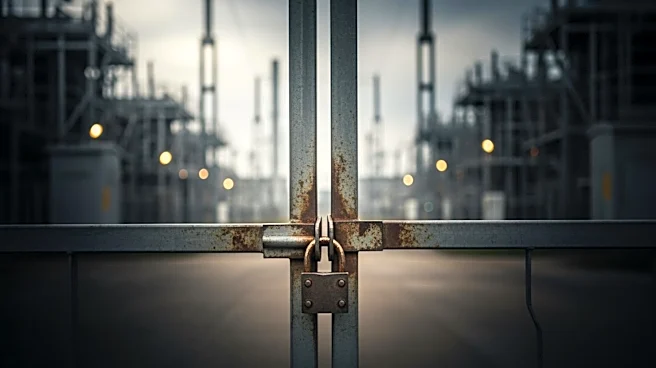
NIPSCO, a utility company, has locked out approximately 1,600 union workers following a failure to reach a new contract agreement with the United Steelworkers by an extended deadline. Negotiations had been ongoing since January 20. NIPSCO's final offer
included a minimum four percent raise over the contract's duration, additional increases for line workers and senior mechanics, and a $5,000 ratification bonus. Despite these offers, the union expressed concerns over the increased use of outside contractors, potential restrictions on continuous work hours, and a mandatory overtime acceptance rate. USW International President Roxanne Brown criticized the lockout as prioritizing profits over community welfare. NIPSCO is currently maintaining operations using non-represented employees, contractors, and support from its affiliated companies.
Why It's Important?
The lockout at NIPSCO highlights ongoing tensions between labor unions and management in the utility sector, reflecting broader national trends in labor relations. The dispute underscores the challenges unions face in negotiating terms that protect workers' rights while companies seek to optimize operational efficiency and cost management. The outcome of this lockout could set a precedent for future labor negotiations in the industry, potentially influencing contract terms, labor practices, and the use of contractors. The situation also raises questions about the balance between corporate profitability and employee welfare, a critical issue in labor relations across various sectors.
What's Next?
As the lockout continues, both NIPSCO and the United Steelworkers may seek further negotiations to resolve the dispute. The union could organize protests or seek public support to pressure NIPSCO into revisiting contract terms. Meanwhile, NIPSCO will need to ensure that its operations remain stable and that service disruptions are minimized. The resolution of this conflict will likely involve compromises from both parties, and the outcome could influence future labor negotiations within the utility industry and beyond.