






What's Happening?
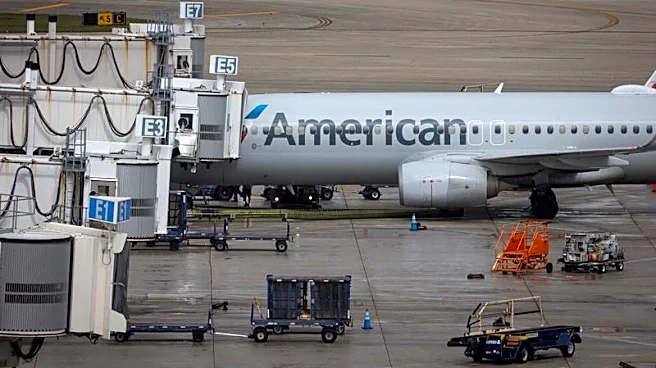
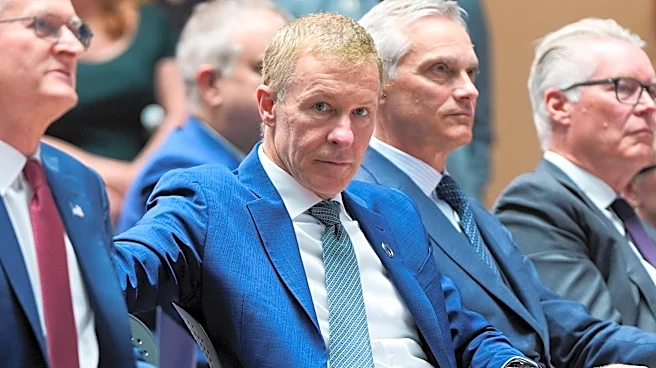
United Airlines has announced the termination of its pursuit of a merger with American Airlines. United CEO Scott Kirby expressed his belief that a merger could have created a superior airline benefiting customers, but American Airlines declined to engage
in discussions. American CEO Robert Isom stated that such a merger would be anti-competitive and detrimental to customers, the industry, and American Airlines itself. Kirby had envisioned the merger as a means to expand international services and enhance offerings to smaller communities, potentially increasing affordable options for consumers. Despite the setback, Kirby remains committed to United's growth strategy, emphasizing innovation and the dedication of its workforce.
Why It's Important?
The decision to halt merger talks between two of the largest airlines in the world underscores significant competitive and regulatory challenges in the airline industry. A merger of this scale could have faced intense scrutiny from regulators concerned about market concentration and consumer choice. The potential merger was seen as a way to create jobs and support domestic manufacturing, but it also raised concerns about reduced competition and higher prices. The outcome highlights the delicate balance between industry consolidation and maintaining a competitive market that benefits consumers.
What's Next?
With the merger off the table, United Airlines will continue to focus on its independent growth strategy. The company aims to leverage its existing resources and workforce to enhance its market position. Meanwhile, American Airlines will maintain its current operations without the complexities of a merger. Both airlines may face pressure to innovate and improve customer experiences to remain competitive. Regulatory bodies and industry stakeholders will likely continue to monitor consolidation trends in the airline sector to ensure fair competition.