




What's Happening?
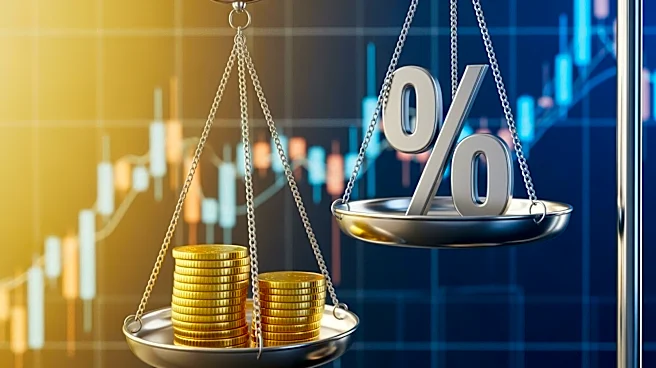
The Federal Reserve is expected to maintain its current interest rate levels, despite a recent surge in inflation, which reached 3.3% in March, according to the Bureau of Labor Statistics. This inflation rate is significantly above the Federal Reserve's
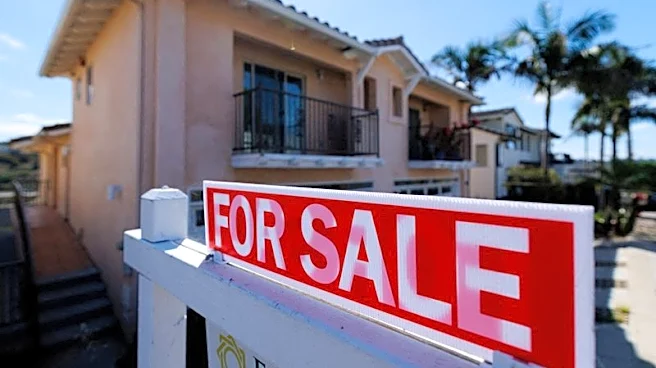
target of 2%. The increase in inflation is likely to influence mortgage rates, as lenders may raise rates to mitigate market risks. This development comes as the spring homebuying season begins, with potential buyers facing higher borrowing costs. The Federal Reserve's decision to pause interest rate changes is seen as a stabilizing move, but it may not prevent mortgage rates from rising independently.
Why It's Important?
The decision by the Federal Reserve to hold interest rates steady, despite rising inflation, has significant implications for the housing market and broader economy. Higher mortgage rates could deter potential homebuyers, particularly those on the edge of affordability, from entering the market. This could lead to reduced competition for homes, potentially benefiting those who can afford the current rates. However, the increased borrowing costs could also slow down the housing market's recovery and impact consumer spending, as higher mortgage payments reduce disposable income. The situation underscores the delicate balance the Federal Reserve must maintain between controlling inflation and supporting economic growth.
What's Next?
As the Federal Reserve maintains its interest rate pause, lenders and borrowers will closely monitor inflation trends and market reactions. Potential homebuyers may consider locking in current mortgage rates to avoid future increases. The housing market may experience a slowdown if borrowing costs continue to rise, affecting both buyers and sellers. Additionally, the Federal Reserve's future decisions will be influenced by ongoing economic data, including inflation rates and employment figures. Stakeholders in the housing and financial sectors will need to stay informed and adaptable to navigate the evolving economic landscape.